Cat Foods
 Cat Accessories
 Cat Litter
 Cat Toys
 Cat Cloth
 Cat Shampoo
 Cat Treats
 Track of Towers & Toys
 Dogs Accessories
 Dogs Foods
 Dogs Toy
 Kitten Food

 Birds Accessories

 Food Bowls
 Combs and Grooming Brushes
 Flea & Tick
 Health & Safety


5 Expert Tips for Training Your Cat Like a Pro

Outline: Training & Tricks Cats
- Introduction
- Importance of training cats
- Why training is good for cats
- Basic Training for Cats
- Starting with easy commands
- How to use positive reinforcement
- Teaching Your Cat to Sit
- Simple steps to teach your cat to sit
- Rewarding good behavior
- How to Teach Your Cat to Come When Called
- Easy tricks for getting your cat to come to you
- Importance of repetition
- Training Your Cat to Use the Litter Box
- How to help your cat learn to use the litter box
- Tips for keeping the litter box clean
- Teaching Your Cat Not to Scratch
- How to stop scratching behavior
- Using scratching posts
- Fun Cat Tricks to Teach
- Fun and easy tricks to try
- Encouraging play and learning
- Conclusion
- Recap of cat training benefits
- Final thoughts on the importance of training
Article: Training & Tricks Cats
Introduction
5 Expert Tips for Training Your Cat Like a Pro
Cats are smart pets. They can learn many things. Training your cat is fun and important. It helps your cat be happy. Training makes your cat listen to you. It also helps build trust. Every cat can learn new tricks. You just need to be patient.
Training is good for both you and your cat. It helps you communicate better. Plus, your cat gets to play and learn. In this article, you will learn how to train your cat. You will also discover fun tricks. Let’s start with basic training.
Basic Training for Cats
Before teaching your cat tricks, it is best to start with simple training. Begin with easy commands. For example, you can teach your cat to sit. You should use a treat to reward your cat. This makes training fun.
Always give praise when your cat does something right. Cats love treats, and they love attention. This helps them learn faster. When training, be kind and patient. Cats do not understand right away. Repeat commands many times. This helps your cat remember. Also, keep the training sessions short. Cats get bored easily, so train for just a few minutes.
Training works best when you use positive reinforcement. That means giving your cat something nice when it does the right thing. This can be a treat, praise, or petting. Positive reinforcement helps your cat know what it did right. It makes training fun and easy.
5 Expert Tips for Training Your Cat Like a Pro
Teaching Your Cat to Sit
One of the easiest tricks to teach your cat is to sit. To teach your cat this trick, follow these simple steps:
- Get a treat: Hold a treat in your hand. Make sure it is something your cat likes. A small piece of food or a favorite snack works well.
- Show the treat: Hold the treat near your cat’s nose. Slowly move it above their head. Cats will follow the treat with their eyes.
- Move the treat back: Slowly move the treat toward the back of your cat’s head. This will make your cat sit down. When the cat sits, say “sit.”
- Give the treat: When your cat sits, give them the treat right away. This shows your cat that sitting is good.
- Repeat: Keep repeating this trick. Cats learn through practice. Over time, your cat will understand that sitting means they get a treat.
Be patient. If your cat does not get it right away, try again later. Make sure you praise them when they sit.
How to Teach Your Cat to Come When Called
Another fun trick is teaching your cat to come when called. This is useful, especially if you want your cat to come to you. To teach this trick:
- Use their name: Start by saying your cat’s name. You can also use a word like “come” or “here.”
- Use a treat: Hold a treat in your hand. Show it to your cat. Your cat will notice the treat.
- Call your cat’s name: Say your cat’s name in a happy voice. Hold the treat out in front of them. When your cat moves toward you, say “good.”
- Give the treat: When your cat comes to you, give them the treat right away. This helps them know they did the right thing.
- Repeat: Practice this trick a few times each day. Keep the training short, but do it often.
This trick will take some time. But with practice, your cat will come when called. It’s a great way to get your cat’s attention and bring them to you.
Training Your Cat to Use the Litter Box
Training your cat to use the litter box is one of the most important things to teach. Luckily, most cats know how to use a litter box naturally. But sometimes, they need some help.
- Choose the right litter box: Make sure the litter box is big enough. It should be easy for your cat to enter and exit. Also, the box should be in a quiet place. Cats like privacy when using the litter box.
- Keep the litter clean: Cats are picky about where they go to the bathroom. Keep the litter box clean by scooping it out every day. Cats will not use a dirty litter box.
- Show your cat the box: If your cat is not using the box, gently place them inside. Let them sniff the litter. Most cats will start using it after a few tries.
- Reward your cat: When your cat uses the litter box, praise them. Give them a treat or some petting. This will help them understand that using the box is a good thing.
- Keep the box in the same place: Cats like routine. Once your cat gets used to using the litter box, keep it in the same place. Moving it can confuse them.
Training your cat to use the litter box is easy if you follow these steps. Cats are clean animals and want to do the right thing. Just make sure the litter box is clean and easy to use.
5 Expert Tips for Training Your Cat Like a Pro
5 Expert Tips for Training Your Cat Like a Pro
Teaching Your Cat Not to Scratch
Cats love to scratch. It is a natural behavior. But sometimes, cats scratch furniture or other things you do not want them to. You can teach your cat to stop scratching things.
- Provide a scratching post: Cats need to scratch to keep their claws healthy. Give your cat a scratching post. Place it near places where your cat likes to scratch.
- Praise good behavior: If your cat scratches the post, praise them. Give them a treat. This will help your cat know they are doing the right thing.
- Use a spray deterrent: If your cat continues to scratch furniture, use a spray deterrent. There are sprays that make surfaces smell bad to cats. They will avoid scratching those areas.
- Trim your cat’s claws: Trimming your cat’s claws can help prevent damage. Use special cat nail clippers to trim the claws carefully.
- Be consistent: It is important to be consistent. Do not allow your cat to scratch furniture. Only allow scratching on the post.
Teaching your cat not to scratch is important. It helps keep your home safe. Plus, it keeps your cat’s claws healthy.
Fun Cat Tricks to Teach
Once your cat has mastered basic commands, you can teach them fun tricks. Here are some fun tricks to try:
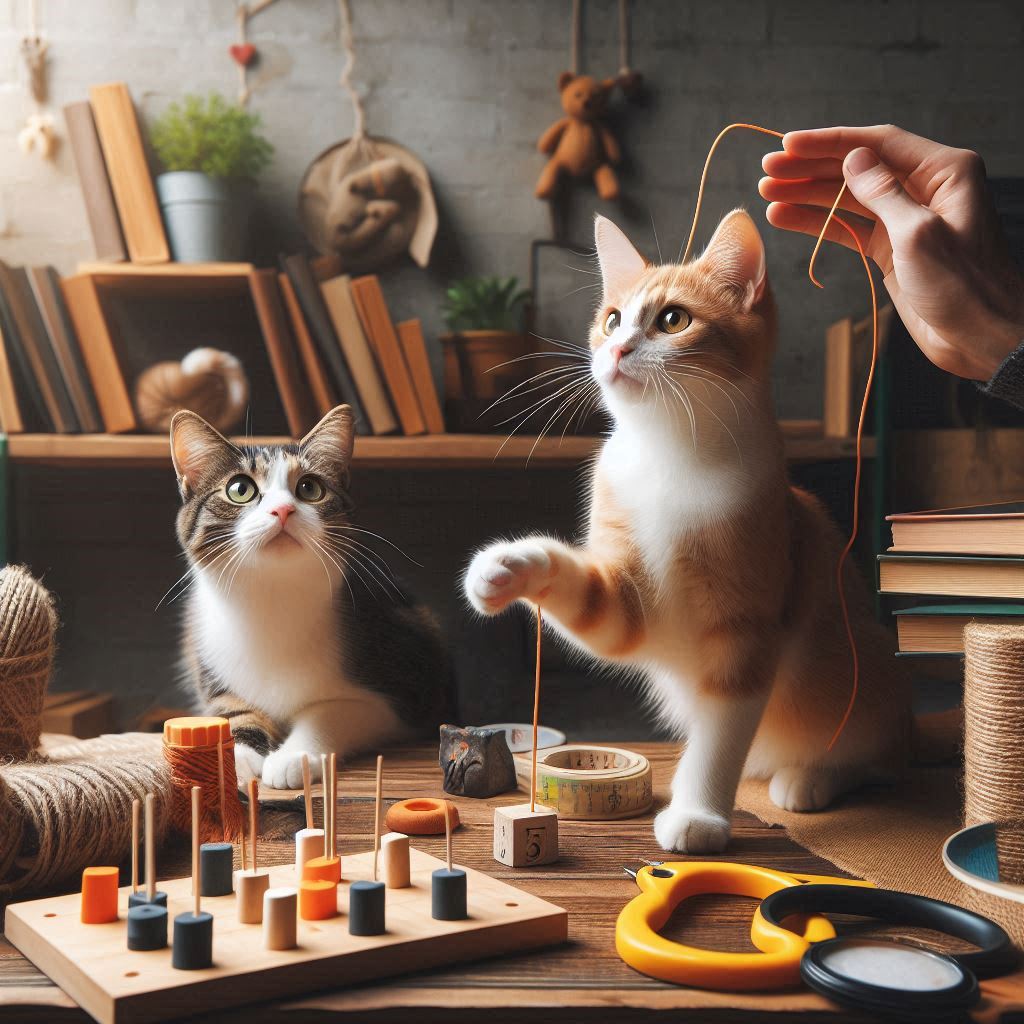
- High five: Hold a treat in your hand. Let your cat touch your hand with their paw. When they do, give them the treat and say “high five.”
- Roll over: Gently roll your cat over while they are lying down. Say the command “roll over.” Give them a treat when they do it.
- Play fetch: Some cats love to play fetch. Throw a small toy and encourage your cat to bring it back. Reward them when they do.
- Jump through hoops: Hold a hoop and encourage your cat to jump through it. Reward them with treats and praise.
- Sit pretty: Hold a treat in front of your cat’s nose. Move it up so they sit on their back legs. Give them a treat when they do.
These tricks are fun and will keep your cat active. Cats love learning new things, so try different tricks to keep them busy.
Conclusion
Training your cat is important. It helps your cat learn good behavior and stay happy. Basic training, like teaching your cat to sit or come when called, is easy and fun. You can also teach your cat tricks, like playing fetch or rolling over.
Remember to use positive reinforcement. Give your cat treats and praise when they do something right. This makes training fun for both of you. Be patient and practice every day. Soon, your cat will be learning new tricks and behaving well.
Outline: Litter Training Cats
- Introduction
- Why litter training is important for cats
- Benefits of proper litter training for cats and owners
- Choosing the Right Litter Box
- Types of litter boxes
- Size and placement of the litter box
- Picking the Right Cat Litter
- Types of cat litter
- How to choose the best one for your cat
- Teaching Your Cat to Use the Litter Box
- Step-by-step guide for litter training your cat
- How to introduce your cat to the litter box
- Common Litter Box Problems and Solutions
- Why your cat may not use the litter box
- How to solve common litter box issues
- Maintaining a Clean Litter Box
- Importance of keeping the litter box clean
- Tips for daily litter box cleaning
- Conclusion
- Recap of litter training steps
- Final tips for successful litter training
Article: Litter Training Cats
Introduction
Litter training is important for every cat. Cats need to learn where to go to the bathroom. A litter box helps keep your home clean. Litter training your cat can be fun and easy. It is good for both you and your cat. Cats that use the litter box are happier. They stay healthy and clean. Let’s talk about how to litter train your cat.
Choosing the Right Litter Box
The first thing you need is a good litter box. The litter box should be big enough for your cat. If the box is too small, your cat may not like it. Make sure your cat can get in and out easily. You also need to think about where to put the litter box. Cats like quiet places. A place with little noise is best. Keep the box in a room that is easy for your cat to get to.
There are many kinds of litter boxes. Some boxes are covered, and others are open. Covered boxes give your cat more privacy. But some cats do not like them. Try both types and see what your cat likes. Also, make sure the litter box is easy for you to clean.
The size of the box is important too. If you have a big cat, choose a bigger box. The box should be long enough for your cat to turn around in. Your cat needs space to move comfortably. Make sure the box is not too high. Young kittens or older cats may not be able to jump into a tall box.
Picking the Right Cat Litter
After you choose the right box, it is time to pick the best litter. There are many kinds of litter. Some are made from clay, and some are made from natural materials. Clay litter is the most common. It works well and is easy to find. Some cat owners use clumping litter. This type of litter forms into balls when wet, making it easy to scoop out.
Natural litters are made from things like wood, corn, or paper. These litters are more eco-friendly. They may not clump, but they are good for the environment. You can try different types of litter and see what your cat likes. Some cats prefer one kind of litter over another. If your cat does not like the litter, they may stop using the box.
When picking litter, make sure it is safe for your cat. Avoid litters with strong smells or chemicals. These can hurt your cat’s nose and lungs. Choose a soft, safe litter that your cat will enjoy.
5 Expert Tips for Training Your Cat Like a Pro
Teaching Your Cat to Use the Litter Box
Now it is time to teach your cat to use the litter box. Here is a simple guide for litter training:
- Show the box to your cat: Place your cat in front of the litter box. Let them sniff the litter. They may explore the box and even dig around. This is good. It means they are curious.
- Put your cat in the box after meals: Cats often need to go to the bathroom after they eat. Gently place your cat in the litter box. This helps them connect the box with going to the bathroom.
- Use praise: When your cat uses the litter box, give them lots of praise. You can use a soft voice or give them a treat. Praise helps your cat understand that they did something right.
- Repeat: Keep repeating this process. Cats learn through repetition. Be patient and keep trying.
It is important to be gentle with your cat during training. Never punish your cat for not using the litter box. If your cat has an accident, just clean it up and try again. With time, your cat will learn to use the litter box.
Common Litter Box Problems and Solutions
Sometimes, your cat may not want to use the litter box. This can happen for many reasons. Here are some common problems and solutions:
- Problem: Your cat is not using the litter box.
- Solution: Make sure the box is clean. Cats do not like dirty litter. Scoop the litter every day. Also, check if the box is in a quiet spot. If there is too much noise, your cat may feel scared to use the box.
- Problem: Your cat is not using the box after meals.
- Solution: Try placing your cat in the litter box after meals. Some cats need more time to get used to the box. Keep trying and be patient.
- Problem: Your cat is using the wrong place.
- Solution: If your cat is using the wrong place, clean the spot well. Use a special cleaner that removes the smell. If the smell stays, your cat may go back to that spot. Also, make sure your cat knows where the litter box is. You may need to move the box to a better location.
If your cat is still having problems, check with a vet. Sometimes, health problems can cause litter box issues.
Maintaining a Clean Litter Box
A clean litter box is very important. Cats like to use clean places. Here are some tips for keeping the litter box clean:
- Scoop the litter every day: Remove waste from the box every day. This keeps the litter fresh. It also keeps the box from smelling bad.
- Change the litter often: Every week, change all of the litter. Wash the litter box with soap and water. This keeps everything fresh and clean.
- Use liners for easy cleaning: Some litter boxes come with liners. These make it easier to scoop and clean the box. You can also use a plastic liner to make cleaning faster.
- Place a mat under the box: A mat will catch any litter that falls out. This helps keep the floor clean.
- Keep the box in a safe spot: Put the box in a place that is easy to get to but not too crowded. Cats like privacy when using the box. A quiet corner is perfect.
A clean litter box will make your cat happy. They will use it more often if it stays clean.
Conclusion
Litter training your cat is important. It helps keep your home clean and your cat healthy. Choosing the right litter box and litter is the first step. Then, you can teach your cat to use the box. Be patient and give your cat praise when they use the box.
If your cat has problems with the litter box, try different solutions. Always keep the box clean and in a quiet place. With time, your cat will learn to use the litter box. Soon, they will be using it every time. Litter training is simple and fun, and it will make both you and your cat happy.