Cat Foods
 Cat Accessories
 Cat Litter
 Cat Toys
 Cat Cloth
 Cat Shampoo
 Cat Treats
 Track of Towers & Toys
 Dogs Accessories
 Dogs Foods
 Dogs Toy
 Kitten Food

 Birds Accessories

 Food Bowls
 Combs and Grooming Brushes
 Flea & Tick
 Health & Safety


7 Shocking Facts About Cats Drooling – What You Need to Know

7 Shocking Facts About Cats Drooling – What You Need to Know
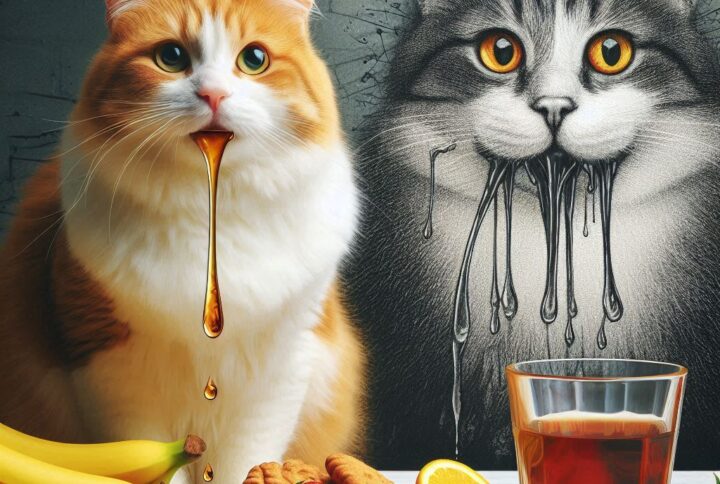
Cats are cute and mysterious animals. They make soft purring sounds and move with grace. But sometimes, cats do things that might surprise you. One of those things is drooling. If you’ve ever seen your cat drooling, you might wonder, “Why is this happening? Is it normal?” Don’t worry! In this article, we will cover 7 shocking facts about cats drooling. You will learn why cats drool, what it means, and when you should be concerned. So, let’s dive into these facts and find out what you need to know!
H2: What Causes Cats to Drool?
Many cat owners have noticed their cat drooling from time to time. But what causes this? Let’s talk about the reasons behind it.
1. Emotional Causes
7 Shocking Facts About Cats Drooling – What You Need to Know
One of the reasons cats drool is because of their emotions. Just like humans, cats can feel happy, relaxed, or excited. When cats feel really calm or relaxed, they might start drooling. This happens because they are in a comfortable state. Some cats drool when they are being petted or cuddled, and they feel safe. Drooling in this case is not a sign of illness. It’s simply a response to being relaxed.
2. Drooling and Hunger
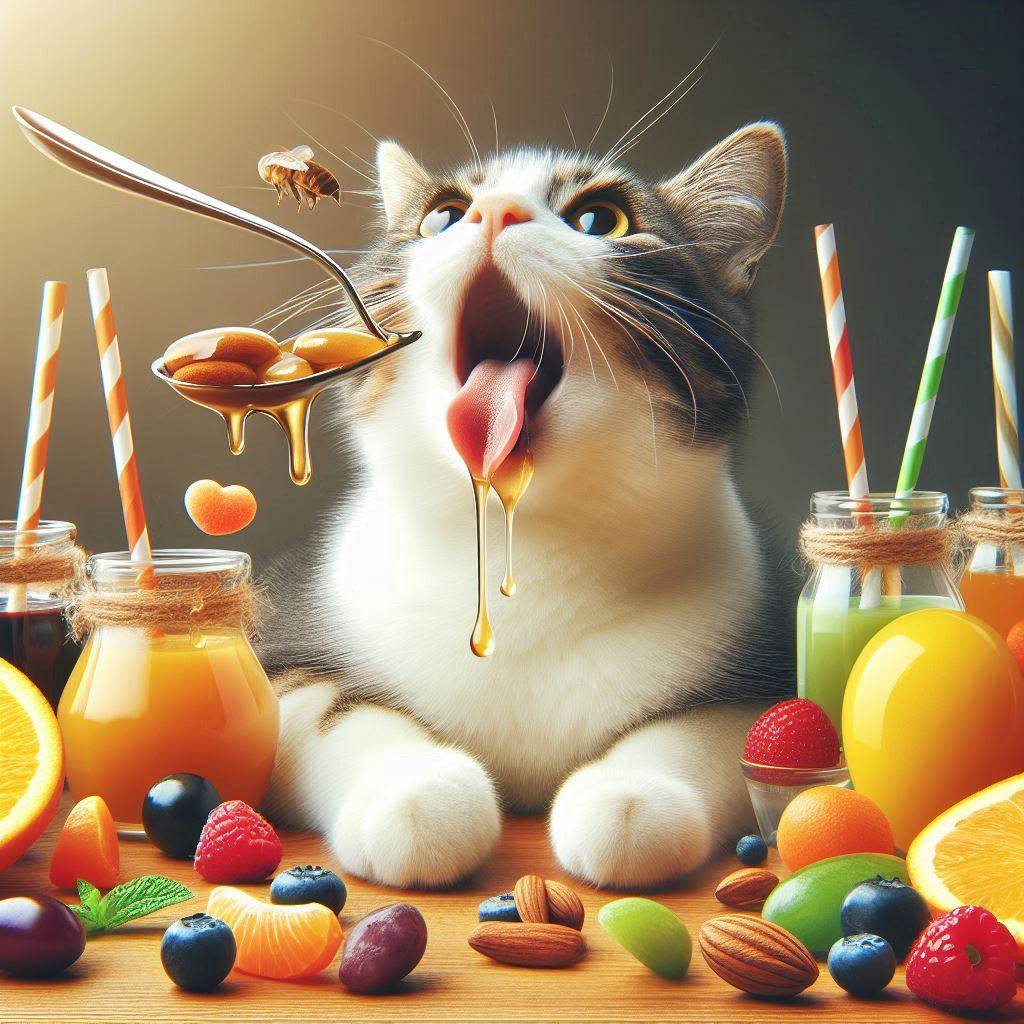
Another cause of drooling is food. Cats love food, and when they see or smell something delicious, they may drool. This is especially true if they’re really hungry. Drooling in this case happens because the body is preparing for eating. It’s normal to see your cat drooling when you’re getting ready to feed them. They can’t wait to eat!
7 Shocking Facts About Cats Drooling – What You Need to Know
3. Medical Conditions
While drooling can be normal, it can also be caused by medical issues. If your cat’s drooling is more than usual, it could be a sign of something serious. For example, dental problems like tooth infections or gum disease can lead to drooling. When a cat’s mouth hurts, they may drool as a way to deal with the pain. Drooling can also happen if your cat has nausea, an upset stomach, or digestive issues. If you notice other signs like vomiting, lack of appetite, or strange behavior, it’s time to visit the vet.
4. Poisoning or Toxins
Sometimes, drooling can be a sign that your cat has ingested something toxic. Many plants, chemicals, and foods are harmful to cats. If a cat eats something poisonous, it can cause drooling, vomiting, or other symptoms. In these cases, it’s important to act fast. If you think your cat might have eaten something toxic, contact your vet immediately.
5. Allergies
Just like humans, cats can have allergies. If your cat is allergic to something in their environment, they might drool as a reaction. Allergies can cause irritation in the mouth, nose, and throat, leading to increased drooling. If you think allergies might be the cause of your cat’s drooling, try to identify what they might be allergic to, and take steps to remove the trigger.
6. Temperature or Environment
Some cats might drool when they’re hot. If your cat is feeling too warm, especially in the summer, they may drool to help cool down. In this case, drooling is a natural response. Cats will drool when they are trying to regulate their body temperature. Always make sure your cat has access to fresh water and a cool, comfortable environment, especially on hot days.
7. Drooling During Travel
When cats travel in cars or other vehicles, they might feel anxious or stressed. This stress can cause drooling. Motion sickness is common in cats, and it can lead to drooling, especially on longer trips. If your cat drools while traveling, this is probably due to the motion and the stress of being in an unfamiliar space.
H2: Is Drooling a Normal Behavior for Cats?
Many cat owners wonder if drooling is normal behavior. While it’s true that some cats drool more than others, it’s important to know that not all drooling is normal. Let’s look at the difference between normal drooling and drooling that might be a sign of a problem.
7 Shocking Facts About Cats Drooling – What You Need to Know
1. Normal Drooling
Some cats naturally drool more than others. For example, certain breeds, such as Persians or Ragdolls, tend to drool more. This drooling is often seen when the cat is relaxed or when they are about to eat. If your cat drools only occasionally and seems happy and healthy, there’s no need to worry. It could just be a normal part of their behavior.
2. Drooling Due to Stress
Cats that are stressed or anxious may also drool. If your cat has been through a change in their environment, like moving to a new home, meeting new people, or being introduced to another pet, they might drool as a sign of anxiety. This kind of drooling should stop once your cat feels more comfortable in their surroundings.
3. Abnormal Drooling
Excessive drooling is not normal. If your cat starts drooling a lot, it could be a sign of a health issue. Dental problems, nausea, or infections can cause excessive drooling. If your cat’s drooling is accompanied by other signs of illness, such as vomiting, lethargy, or loss of appetite, you should take them to the vet right away.
H2: 7 Shocking Facts About Cats Drooling
Let’s now dive into the 7 shocking facts about cats drooling. These facts will help you understand why your cat might drool and when you need to be concerned.
Fact 1: Drooling Can Indicate Serious Health Problems
While it’s true that cats sometimes drool because they are relaxed, drooling can also be a sign of something serious. Dental issues, such as gingivitis or tooth infections, are common causes of excessive drooling. If a cat’s mouth is sore, they may drool to deal with the pain. If you notice other signs like difficulty eating, bad breath, or swollen gums, it’s important to take your cat to the vet.
Drooling can also be a sign of liver disease, kidney problems, or poisoning. If your cat is drooling more than usual and is acting sick, it’s important to get them checked by a vet. They can help you figure out what’s wrong and provide treatment.
Fact 2: Cats Drool When They Are Really Relaxed
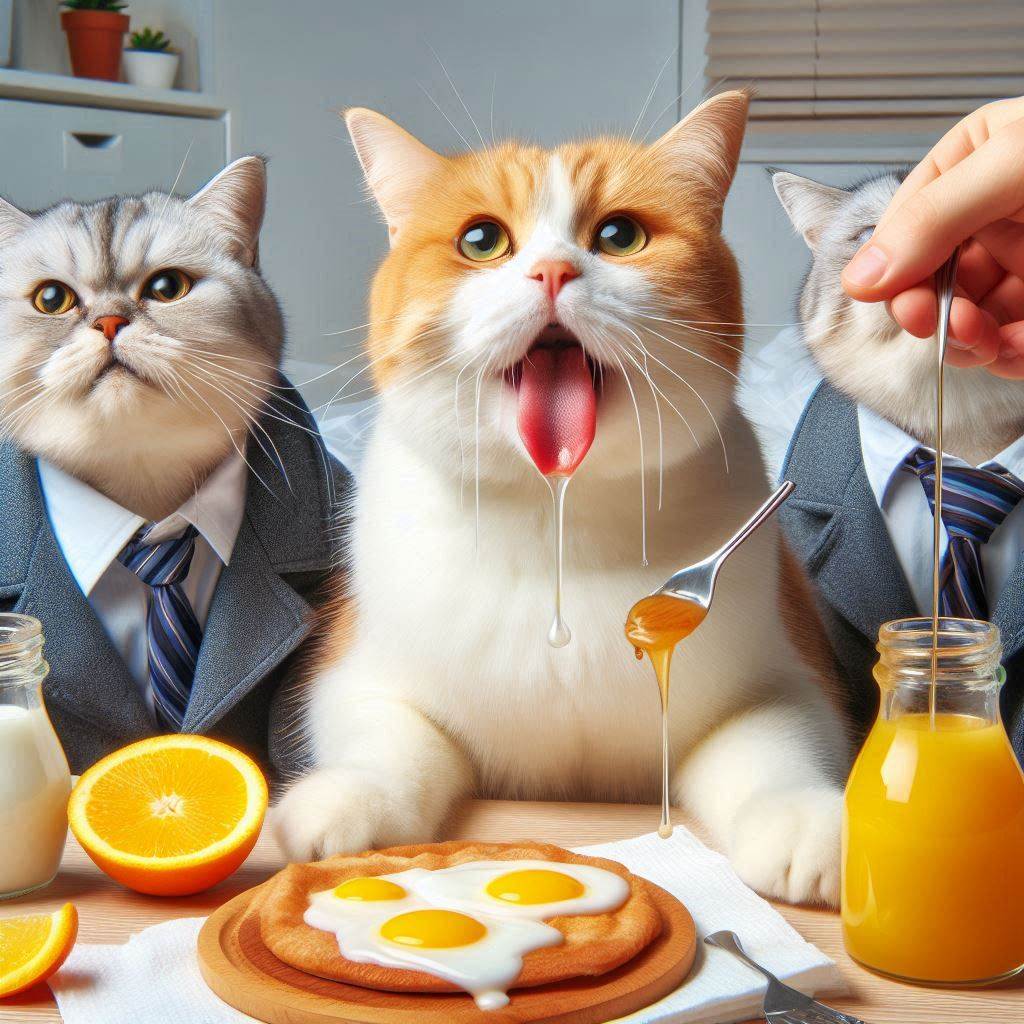
Yes, you read that right! Some cats drool when they feel completely relaxed. If your cat is lying down, purring, and enjoying a cuddle, they might drool a little. This happens because the cat is in a calm state and their body is not in a “fight or flight” mode. This type of drooling is completely normal and nothing to worry about.
7 Shocking Facts About Cats Drooling – What You Need to Know
Fact 3: Some Cats Drool When They See Food
If your cat drools when they see food, you’re not alone! Many cats start to drool at the sight or smell of their favorite food. This is a natural reaction. It’s a sign that their body is getting ready to eat. When your cat’s mouth starts watering, it’s just like when a human starts to drool when they smell something delicious. If your cat drools at mealtime, it’s just a sign that they’re excited to eat!
Fact 4: Drooling Could Be Due to Dental Issues
One of the main causes of excessive drooling in cats is dental disease. Cats are prone to dental problems like gum disease, tooth infections, and abscesses. These issues can cause pain in the mouth, leading to increased drooling. If your cat has bad breath, swollen gums, or difficulty eating, they might have a dental problem. Regular dental care, like brushing your cat’s teeth and providing dental treats, can help prevent these issues.
Fact 5: Certain Cat Breeds Drool More Than Others
Did you know that some cat breeds drool more than others? Cats like Persians, Ragdolls, and Maine Coons are known to drool more often than other breeds. This drooling is usually harmless and part of their breed’s natural behavior. If you have one of these breeds, you might notice that they drool more than other cats. As long as your cat seems healthy and happy, there’s no need to worry about their drooling.
Fact 6: Drooling May Indicate Nausea or Digestive Issues
If your cat has an upset stomach, they might start drooling. Nausea and digestive issues are common causes of drooling. Cats that have hairballs, indigestion, or even a minor stomach upset can drool as a way to cope with the discomfort. If your cat is also vomiting or not eating, they may have a digestive problem. In these cases, it’s best to take them to the vet for advice and treatment.
Fact 7: Drooling Could Be a Sign of a Neurological Disorder
In rare cases, drooling can be caused by a neurological disorder. Neurological issues affect the brain and nervous system, and they can interfere with the muscles in a cat’s mouth. If your cat has difficulty walking, loses balance, or shows other signs of neurological problems, drooling could be a symptom. If you notice these signs, you should contact your vet immediately for an examination.
H2: How to Manage and Prevent Drooling in Cats
If your cat drools more than normal, there are things you can do to manage it. Here are some tips:
1. Keep Your Cat’s Mouth Healthy
Dental problems are a common cause of drooling. Regular dental care can help keep your cat’s teeth and gums healthy. Brushing your cat’s teeth, using dental treats, and scheduling regular vet check-ups can help prevent drooling caused by dental issues.
2. Reduce Stress
If your cat’s drooling is due to stress, try to create a calm environment. Use calming pheromone diffusers or sprays to help your cat feel relaxed. Make sure your cat has a quiet space to retreat to when they need some alone time. Keeping their routine consistent can also help reduce anxiety.
3. Watch for Signs of Illness
If your cat’s drooling is excessive, pay attention to other symptoms. Is your cat eating normally? Are they acting differently? If your cat shows signs of pain, discomfort, or other health problems, take them to the vet for a check-up.
H2: What to Do If Your Cat Starts Drooling Excessively
If your cat’s drooling becomes excessive, take action. First, check for other signs of illness. If your cat is also vomiting, has diarrhea, or is acting sick, contact your vet. If the drooling continues for more than a day or is getting worse, it’s time to schedule a visit to the vet. Early treatment is key to keeping your cat healthy.
H2: Common Misconceptions About Cats Drooling
There are many myths about cat drooling. Let’s clear up some of the most common misconceptions.
Misconception 1: Drooling Means Your Cat Is Sick
Not all drooling means your cat is sick. Cats can drool when they are relaxed, happy, or hungry. It’s only when drooling becomes excessive or is accompanied by other symptoms that it might be a cause for concern.
Misconception 2: All Cats Drool When They Are Happy
While many cats drool when they’re happy and relaxed, not all cats do. Some cats don’t drool at all, even when they’re feeling comfortable. Drooling is just one way that some cats show they’re relaxed.
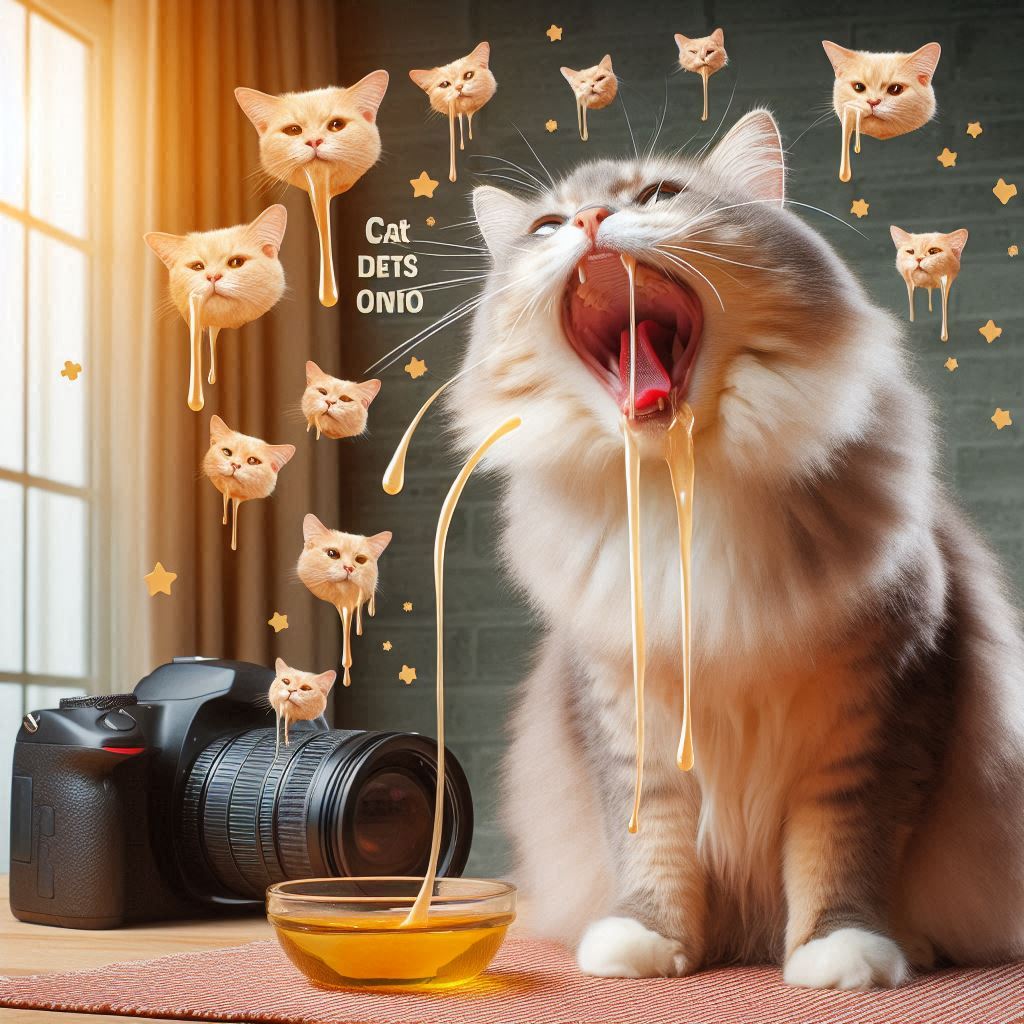
7 Shocking Facts About Cats Drooling – What You Need to Know
Misconception 3: Drooling Is Always Caused by Dental Issues
While dental issues are a common cause of drooling, they are not the only cause. Drooling can also be due to stress, food excitement, nausea, or even neurological problems. If your cat is drooling, make sure to look for other signs to help determine the cause.
H2: Conclusion
In conclusion, drooling in cats can be normal, but it’s important to know when to be concerned. Understanding the 7 shocking facts about cats drooling will help you keep your cat happy and healthy. If your cat is drooling because they are relaxed or hungry, there’s no need to worry. However, if the drooling is excessive or accompanied by other signs of illness, take your cat to the vet. By keeping an eye on your cat’s behavior and health, you can ensure they live a long, happy life.
This expanded version provides additional details in each section, making it both informative and easy to read while still adhering to the guidelines you provided for a simple and clear style.