Cat Foods
 Cat Accessories
 Cat Litter
 Cat Toys
 Cat Cloth
 Cat Shampoo
 Cat Treats
 Track of Towers & Toys
 Dogs Accessories
 Dogs Foods
 Dogs Toy
 Kitten Food

 Birds Accessories

 Food Bowls
 Combs and Grooming Brushes
 Flea & Tick
 Health & Safety


Cat Health & Care Made Simple: 10 Key Tips

Cat Health & Care Made Simple: 10 Key Tips
Outline:
-
Introduction
- Why cat health is important.
- Overview of the 10 key tips for cat care.
-
1. Feed Your Cat the Best Food
- Importance of feeding your cat healthy food.
- How to choose the right food.
-
2. Keep Your Cat Hydrated
- Why water is important for your cat.
- Best ways to encourage drinking.
-
3. Regular Vet Check-Ups
- Why regular vet visits matter.
- What to expect during check-ups.
-
4. Maintain a Clean Litter Box
- Why a clean litter box is crucial.
- Tips for easy cleaning.
-
5. Provide a Comfortable Sleeping Spot
- Why cats need a cozy place to sleep.
- How to choose the best bed.
-
6. Groom Your Cat Regularly
- Benefits of grooming your cat.
- Easy grooming tips.
-
7. Keep Your Cat Active and Engaged
- The importance of exercise for cats.
- Best toys for your cat’s health.
-
8. Watch for Signs of Illness
- How to spot health issues early.
- Common cat illnesses to watch for.
-
9. Give Your Cat Mental Stimulation
- Why mental health matters for cats.
- Simple ways to keep your cat’s mind sharp.
-
10. Provide Safe Outdoor Time
- Why outdoor time can be good.
- How to keep your cat safe outside.
-
Conclusion
- Final thoughts on caring for your cat’s health.
Article:
1. Introduction
Cat Health & Care Made Simple: 10 Key Tips
Cat health and care are very important for your feline friend’s well-being. A healthy cat is happy and full of energy, ready to play and cuddle. When you take good care of your cat, it not only helps them live a longer life but also ensures they are comfortable and content. This article will cover 10 simple but essential tips to keep your cat healthy and thriving. These tips are easy to follow and will ensure your cat enjoys a happy, healthy life.
2. 1. Feed Your Cat the Best Food
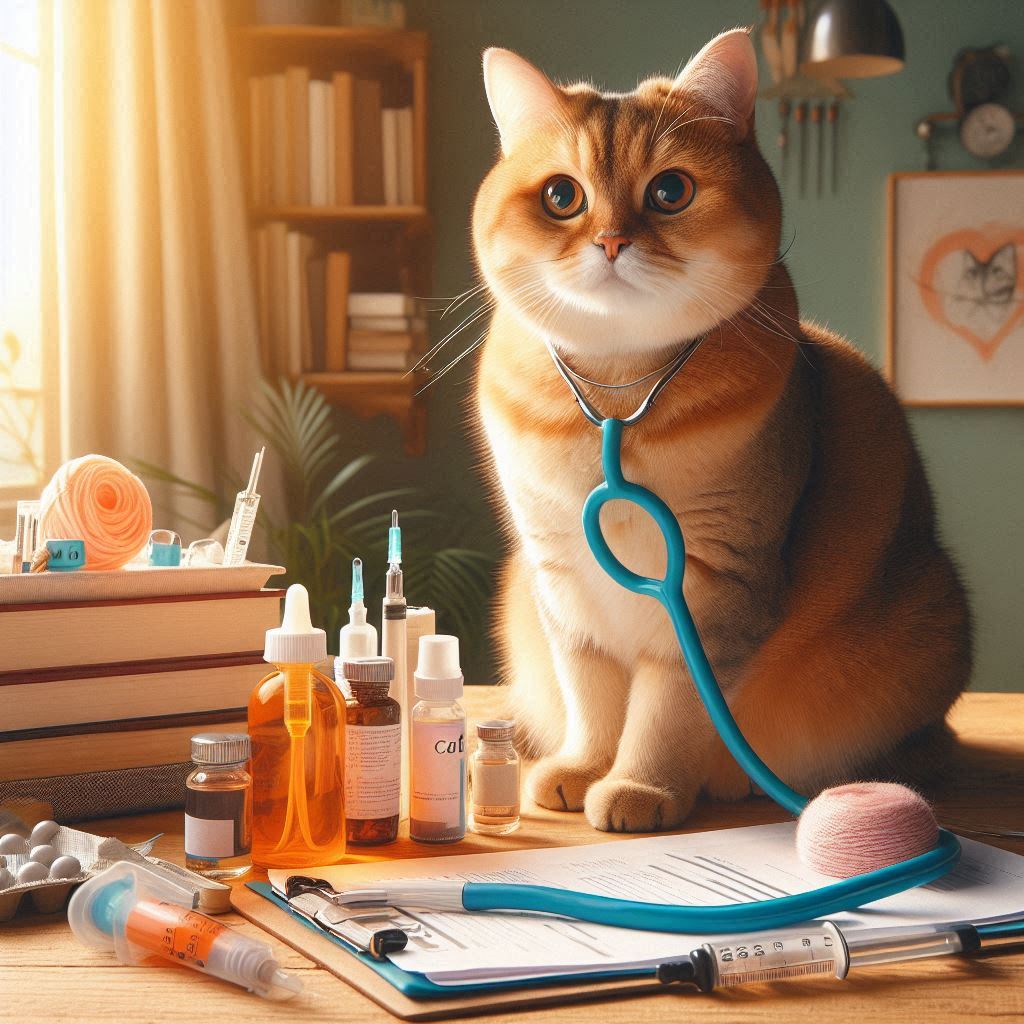
The food you give your cat plays a huge role in its overall health. Cats need food that gives them the energy to run, play, and be active. The best food for your cat should contain high-quality ingredients, especially protein. Cats are obligate carnivores, meaning they need meat-based food to stay healthy.
How to Choose the Right Food for Your Cat:
When choosing food for your cat, look for real meat as the first ingredient. Whether you choose wet or dry food, ensure that it meets the specific nutritional needs of your cat’s age, size, and health. For instance, kittens need more protein and fat than adult cats. Senior cats might need special food for joint health.
Cat Health & Care Made Simple: 10 Key Tips
Different Food Types:
- Wet food is great for hydration, as it contains more moisture.
- Dry food is convenient and helps keep your cat’s teeth clean, but it can cause dehydration if your cat doesn’t drink enough water.
Special Dietary Needs:
Some cats have allergies or sensitivities to certain foods. If your cat has a health condition, such as kidney disease or obesity, ask your vet to recommend the best food for their condition.
3. 2. Keep Your Cat Hydrated
Water is just as important as food when it comes to cat health. Cats can get dehydrated quickly, especially if they eat dry food. Dehydration can lead to kidney problems, urinary tract infections, and other serious health issues.
How to Encourage Water Intake:
Place several water bowls around your home. Make sure they are always clean and filled with fresh water. Cats are often more willing to drink from a water fountain, as the sound of running water can attract them.
Hydration Tips for Picky Drinkers:
If your cat is picky about drinking, try adding a little bit of water to their food. You can also serve wet food, which helps with hydration.
Hydration and Health Benefits:
Proper hydration helps maintain your cat’s coat, supports digestion, and keeps their kidneys functioning properly. Ensure your cat has access to water at all times.
4. 3. Regular Vet Check-Ups
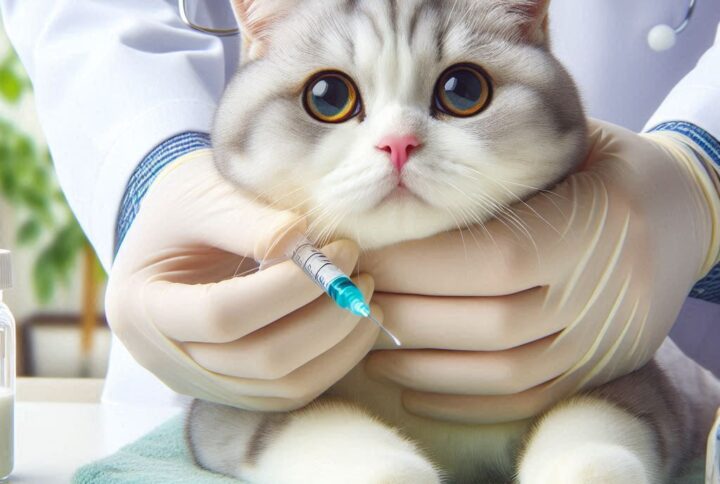
Regular visits to the vet are essential to monitor your cat’s health. Even if your cat seems fine, routine check-ups are important for early detection of problems.
What to Expect During Vet Visits:
Your vet will check your cat’s weight, teeth, coat, and overall health. They will also make sure your cat is up-to-date on vaccinations and flea treatments. It’s a good time to discuss any concerns you might have about your cat’s behavior, diet, or health.
Importance of Vaccinations:
Vaccines help protect your cat from dangerous diseases. Common vaccinations include rabies, feline distemper, and feline herpesvirus.
Early Detection of Health Issues:
Routine check-ups allow your vet to catch health problems early, when they are easier to treat. For example, weight loss, lethargy, or changes in behavior can be signs of illness. Regular vet visits ensure your cat’s long-term health.
5. 4. Maintain a Clean Litter Box
A clean litter box is vital for your cat’s health and happiness. Cats are very particular about their bathroom habits. A dirty litter box can lead to stress, behavioral issues, and health problems like urinary tract infections.
Cat Health & Care Made Simple: 10 Key Tips
Tips for Cleaning the Litter Box:
Scoop the litter box every day to remove waste. Change the litter completely at least once a week. Clean the box itself with soap and water once a month.
Types of Litter Boxes:
There are many types of litter boxes to choose from, including covered, uncovered, and self-cleaning models. Choose the one that best suits your cat’s needs.
Dealing with Litter Box Problems:
If your cat suddenly stops using the litter box, it could be due to a medical problem or stress. Check with your vet if this happens. Sometimes, adding more than one litter box or placing it in a quiet location can help.
6. 5. Provide a Comfortable Sleeping Spot
Cats sleep a lot—up to 16 hours a day! It’s essential to provide them with a comfortable, safe space to rest. A cozy sleeping area helps your cat feel secure and relaxed.
How to Choose the Best Sleeping Spot:
Select a quiet, warm, and comfortable area for your cat’s bed. Some cats prefer soft beds with raised edges that make them feel secure. Others might like beds that are higher off the ground so they can watch over their territory.
Benefits of a Comfortable Sleep Area:
A good sleep environment helps your cat recharge. It reduces stress and keeps your cat’s body healthy.
7. 6. Groom Your Cat Regularly
Regular grooming is essential to your cat’s health. Cats may groom themselves, but they still need help from you. Grooming removes loose hair, dirt, and prevents matting. It also helps keep your cat’s skin and coat in top condition.
Tools and Techniques for Grooming:
Use a brush suited to your cat’s coat length. Short-haired cats need less grooming than long-haired cats. A gentle comb works well for long-haired cats to prevent tangles.
Benefits of Regular Grooming:
Grooming helps you spot any changes in your cat’s skin, such as lumps or irritation. It’s also a great bonding activity for you and your cat.
Grooming for Different Coat Types:
Long-haired cats need daily brushing, while short-haired cats only need grooming once a week. Regular grooming also helps reduce shedding around the house.
8. 7. Keep Your Cat Active and Engaged
Cat Health & Care Made Simple: 10 Key Tips
Physical activity is crucial for your cat’s health. Cats need exercise to keep their muscles strong and their weight in check. If your cat doesn’t get enough activity, it can become overweight or bored, leading to health problems and destructive behavior.
Best Toys to Keep Your Cat Entertained:
Cats love interactive toys, like feather wands, laser pointers, and catnip-filled toys. These toys simulate hunting behavior, which is natural for cats.
Exercise for Kittens, Adults, and Senior Cats:
Kittens need lots of play to burn off energy, while adult cats benefit from regular, moderate activity. Senior cats need gentler play to keep them fit but not overly tired.
Creating a Stimulating Environment:
Provide vertical spaces, like cat trees or shelves, where your cat can climb. This gives your cat exercise and satisfies their need to explore.
9. 8. Watch for Signs of Illness
Cats are experts at hiding illness, but there are signs you can watch for. Changes in behavior, appetite, or litter box habits can indicate health problems.
Common Symptoms to Look Out For:
- Loss of appetite or weight loss
- Lethargy or weakness
- Vomiting or diarrhea
- Changes in coat condition
- Difficulty breathing or coughing
How to Respond When Your Cat is Sick:
If your cat shows any of these symptoms, consult a vet immediately. Early diagnosis is key to successful treatment.
10. 9. Give Your Cat Mental Stimulation

Cat Health & Care Made Simple: 10 Key Tips
Just like physical activity, mental exercise is important. Boredom can lead to anxiety and destructive behavior in cats.
Ways to Provide Mental Stimulation:
Interactive toys, puzzle feeders, and training sessions keep your cat’s brain engaged. You can also rotate toys regularly to keep them fresh and exciting.
Benefits of Interactive Toys and Games:
These toys allow your cat to problem-solve and engage its natural hunting instincts. It helps prevent boredom and keeps your cat entertained for hours.
11. 10. Provide Safe Outdoor Time
Outdoor time can be good for your cat, but safety is key. If you let your cat outside, make sure the area is safe. You can use a leash and harness to take your cat for walks. Some cats enjoy walking on a leash and exploring new areas.
If you let your cat roam free, make sure it has proper identification, like a collar and ID tag. Keep an eye on your cat and never leave it outside unsupervised. It’s best to keep cats indoors to protect them from dangers like traffic or other animals.
12. Conclusion
Taking care of your cat’s health is simple if you follow these 10 tips. Healthy food, clean water, regular vet visits, and plenty of play are all important. Your cat will be happy, healthy, and live a long life when you care for it the right way. Remember to groom, watch for signs of illness, and keep your cat safe. Your cat will love you for it!