Cat Foods
 Cat Accessories
 Cat Litter
 Cat Toys
 Cat Cloth
 Cat Shampoo
 Cat Treats
 Track of Towers & Toys
 Dogs Accessories
 Dogs Foods
 Dogs Toy
 Kitten Food

 Birds Accessories

 Food Bowls
 Combs and Grooming Brushes
 Flea & Tick
 Health & Safety


The Ultimate Guide to Dog Training Pads: Housebreaking Made Easy

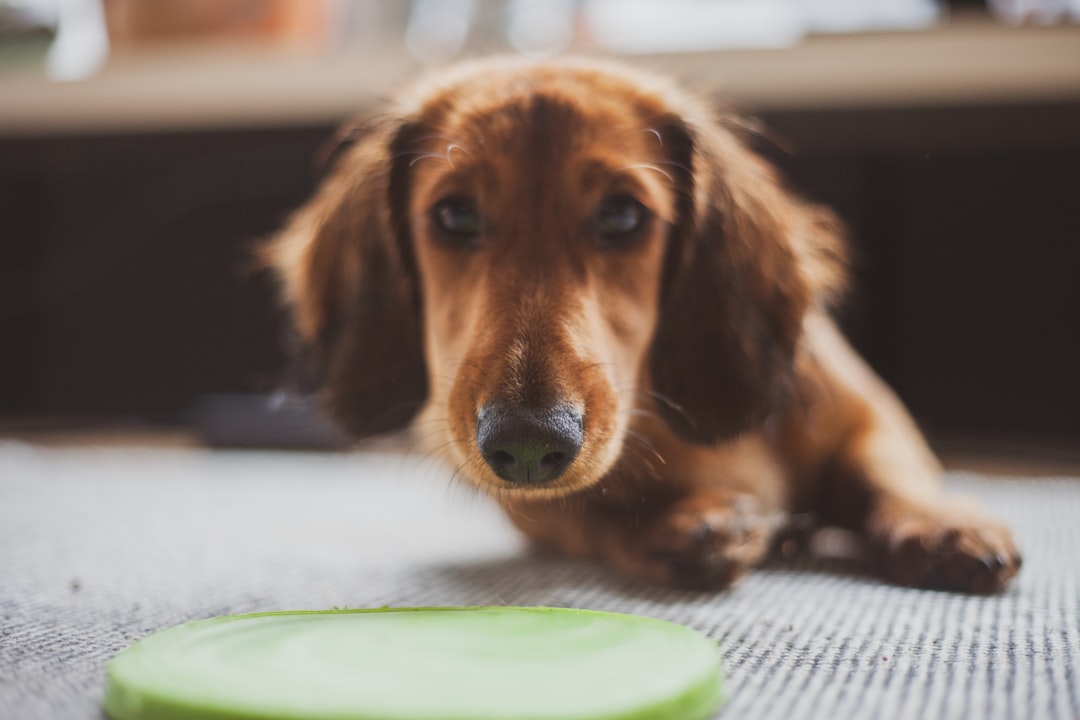
As a dog owner, you’re probably no stranger to the frustration and mess that comes with housebreaking a new puppy. Accidents happen, and it can be overwhelming to deal with the constant cleaning and training. But what if you could make the process easier, faster, and more efficient? Enter dog training pads, a game-changing tool that’s revolutionizing the way we housebreak our furry friends. In this comprehensive guide, we’ll dive into the world of dog training pads, exploring their benefits, types, and tips for successful use. Whether you’re a seasoned dog owner or a newcomer to the world of canine companionship, this post is for you.
Introduction to Dog Training Pads
Dog training pads, also known as puppy pads or potty pads, are absorbent mats designed to help with housebreaking. They’re typically made of a layered material that absorbs urine and feces, making it easy to clean up after your dog. These pads are an excellent alternative to traditional housebreaking methods, which can be time-consuming and messy. With dog training pads, you can create a designated potty area for your dog, reducing the risk of accidents and making the training process more efficient.
One of the primary benefits of dog training pads is their convenience. They’re perfect for busy dog owners who don’t have the time to take their puppy outside every hour. Simply place the pad in a designated area, and your dog will learn to use it as their own personal bathroom. This is especially useful for dogs that have limited mobility or for owners who live in apartments or condos with limited outdoor access. By using dog training pads, you can ensure your dog is comfortable and clean, even when you’re not around to supervise.
Choosing the Right Dog Training Pads
With so many dog training pads on the market, it can be overwhelming to choose the right one for your furry friend. Here are some factors to consider when selecting the perfect pad:
- Size: Dog training pads come in a variety of sizes, ranging from small to extra-large. Choose a size that’s suitable for your dog’s breed and age. Puppies, for example, require smaller pads, while larger breeds need more extensive coverage.
- Material: Look for pads made from high-quality, absorbent materials that can withstand repeated use. Some popular materials include cotton, polyester, and bamboo.
- Odor control: If you’re concerned about unpleasant odors, look for pads with built-in odor control features, such as baking soda or antimicrobial agents.
- Disposable or reusable: Decide whether you prefer disposable or reusable pads. Disposable pads are convenient and easy to clean up, while reusable pads are eco-friendly and cost-effective.
- Wee-Wee Pads: These pads are known for their high absorbency and odor control features.
- Puppy Pads: These pads are designed specifically for puppies and are often smaller and more affordable.
- Artificial Turf Pads: These pads feature a grass-like surface that mimics the outdoors, making them perfect for dogs that prefer to do their business on grass.
- Place the pad in a designated area: Choose a quiet, low-traffic area where your dog feels comfortable and relaxed.
- Encourage your dog to use the pad: Place your dog on the pad after meals, naps, and playtime to create a connection between the pad and the act of elimination.
- Praise and reward: Praise your dog and reward them with treats and affection when they use the pad correctly.
- Clean up accidents: If your dog has an accident outside of the pad, clean up the area thoroughly with a pet-safe cleaner to remove any lingering scents that might attract your dog to the same spot again.
- Gradually transition to outdoor potty training: As your dog becomes more comfortable with the pad, start transitioning them to outdoor potty training by placing the pad near the door or in a designated outdoor area.
- Accidents outside of the pad: If your dog is having accidents outside of the pad, it may be due to inadequate supervision or insufficient pad size. Increase supervision and consider upgrading to a larger pad.
- Odor attraction: If your dog is attracted to the smell of their own waste, try using an odor-neutralizing spray or placing the pad in a well-ventilated area.
- Pad refusal: If your dog refuses to use the pad, try placing a treat or toy on the pad to encourage them to investigate. You can also try using a different type of pad or increasing the frequency of praise and rewards.
- Dog training pads are a convenient and efficient way to housebreak your dog.
- Choose the right pad size, material, and features for your dog’s needs.
- Place the pad in a designated area and encourage your dog to use it.
- Praise and reward your dog for correct use, and clean up accidents promptly.
- Gradually transition to outdoor potty training as your dog becomes more comfortable with the pad.
Some popular types of dog training pads include:
Tips for Successful Dog Training Pad Use
To get the most out of your dog training pads, follow these tips:
Common Challenges and Solutions
While dog training pads are an excellent tool for housebreaking, you may encounter some common challenges along the way. Here are some solutions to help you overcome these hurdles:
Conclusion and Key Takeaways
Dog training pads are a valuable tool for housebreaking, offering convenience, efficiency, and ease of use. By choosing the right pad, following tips for successful use, and overcoming common challenges, you can help your dog learn to use the pad correctly and reduce the risk of accidents. Remember to be patient, consistent, and positive, and you’ll be well on your way to housebreaking success. Key takeaways from this guide include:
With these tips and guidelines, you’ll be well on your way to successful housebreaking with dog training pads. Happy training, and don’t forget to reward your furry friend with plenty of love, treats, and praise along the way!