Cat Foods
 Cat Accessories
 Cat Litter
 Cat Toys
 Cat Cloth
 Cat Shampoo
 Cat Treats
 Track of Towers & Toys
 Dogs Accessories
 Dogs Foods
 Dogs Toy
 Kitten Food

 Birds Accessories

 Food Bowls
 Combs and Grooming Brushes
 Flea & Tick
 Health & Safety


10 Essential Cat Behavior & Training Tips for a Well-Behaved Pet


Outline
-
Introduction
- Why cat behavior & training matter
- Overview of the 10 essential tips
-
Tip 1: Understand Your Cat’s Body Language
- How cats communicate
- Signs to watch for
-
Tip 2: Use Positive Reinforcement
- Reward-based training
- Examples of positive reinforcement
-
Tip 3: Start Training Early
- Benefits of early training
- Training kittens vs adult cats
-
Tip 4: Consistency is Key
- Importance of routine
- How consistency helps your cat learn
-
Tip 5: Set Clear Boundaries
- Training your cat to follow rules
- How to set boundaries effectively
-
Tip 6: Provide Plenty of Playtime
- The link between play and training
- Fun activities for your cat
-
Tip 7: Socialize Your Cat
- Socializing with other pets and people
- How socialization impacts behavior
-
Tip 8: Address Problem Behaviors Quickly
- Dealing with common behavioral issues
- How to correct unwanted behavior
-
Tip 9: Keep Your Cat’s Environment Stimulating
- Enrichment and behavior improvement
- Creating a stimulating environment
-
Tip 10: Be Patient with Your Cat
- The importance of patience
- How patience helps in training
-
Conclusion
- Recap of the 10 tips
- Encouragement for consistent training and care
10 Essential Cat Behavior & Training Tips for a Well-Behaved Pet
Introduction
Training your cat is important. Every cat owner wants a well-behaved pet. But, cats don’t always know what we want. It’s up to us to help them. With the right tips, you can train your cat to behave better. This article will share 10 essential tips for cat behavior and training. These tips will help you and your cat live happily together. Let’s get started!
Tip 1: Understand Your Cat’s Body Language

10 Essential Cat Behavior & Training Tips for a Well-Behaved Pet
Cats can’t speak like humans. They communicate with their body. If you watch closely, you can learn a lot. A cat’s tail can tell you how they feel. If it’s up, your cat is happy or excited. If it’s low or tucked, your cat might be scared or upset.
Watch your cat’s ears too. If their ears are flat, they might be angry. A relaxed cat has soft, upright ears. Pay attention to your cat’s eyes as well. Big pupils mean your cat is excited or scared. Small pupils usually mean they are calm.
By understanding your cat’s body language, you can know how they feel. This helps with training because you can tell if they are ready to learn or not. It’s important to respect their signals to avoid stress.
Tip 2: Use Positive Reinforcement
Positive reinforcement is the best way to train your cat. This means rewarding good behavior. For example, if your cat uses the litter box, give them a treat. If they come when you call them, praise them.
Cats love treats, so use them to encourage good behavior. You can also use petting or toys as rewards. Positive reinforcement makes your cat want to behave well. They will repeat behaviors that get them rewards.
Avoid using punishment, as it can confuse or scare your cat. Instead, focus on rewarding the behaviors you like. This way, your cat will know what to do.
Tip 3: Start Training Early
10 Essential Cat Behavior & Training Tips for a Well-Behaved Pet
The best time to train a cat is when they are young. Kittens are like little sponges. They can learn fast. Start training your kitten when they are about 8 weeks old. At this age, they can learn basic commands like “sit” or “come.”

10 Essential Cat Behavior & Training Tips for a Well-Behaved Pet
However, it’s never too late to train an adult cat. Older cats can still learn new tricks and behaviors. You just need more patience. The key is to start as soon as you bring your cat home. The sooner you begin, the better.
Training early helps your cat develop good habits. It also strengthens the bond between you and your pet.
Tip 4: Consistency is Key
Cats need routines. They do best when they know what to expect. If you always feed your cat at the same time, they will learn when to expect their meals. If you train them at the same time each day, they will get used to it.
Being consistent also means using the same words for commands. If you say “sit” but sometimes use other words, your cat might get confused. Always use the same command words. This helps your cat learn faster.
When you are consistent, your cat will feel more secure. They will understand what you want and how to behave.
Tip 5: Set Clear Boundaries
Cats need rules. They may not understand right away, but with training, they will learn. Set clear boundaries in your home. If you don’t want your cat on the kitchen counter, don’t allow it at all. Be firm but gentle when you correct your cat.

10 Essential Cat Behavior & Training Tips for a Well-Behaved Pet
If your cat scratches furniture, give them a scratching post. When they use it, reward them. If they scratch the furniture instead, gently move them to the post. This helps them understand where it’s okay to scratch.
Setting clear boundaries teaches your cat what is acceptable and what isn’t. With patience, your cat will respect these rules.
Tip 6: Provide Plenty of Playtime
Play is important for your cat’s training. Cats need to stay active. Playtime helps them burn energy and stay healthy. It also improves their behavior. A tired cat is a well-behaved cat.
Use toys like balls, feathers, or laser pointers to play with your cat. You can also try puzzle toys to challenge their minds. Playing with your cat also helps you bond. It’s a fun way to teach them good habits.
Make sure your cat has time to play every day. A few minutes of play each day can improve your cat’s behavior and mental health.
Tip 7: Socialize Your Cat
Cats need to get used to people and other animals. Early socialization is important, but it’s never too late. If your cat is shy or fearful of strangers, help them feel comfortable. Gradually introduce your cat to new people, pets, and places.
Socializing helps reduce stress and anxiety. It also improves your cat’s behavior. If your cat feels comfortable around other pets or people, they are less likely to act out. Take things slow and let your cat explore at their own pace.
Tip 8: Address Problem Behaviors Quickly
It’s important to address problem behaviors as soon as they happen. If your cat is scratching your furniture, correct it right away. If they jump on the counter, say “no” firmly and guide them down.
Don’t wait too long to fix a problem. The longer you wait, the harder it will be to correct. Be consistent and patient. With time, your cat will learn to stop bad behaviors.
If your cat continues to have issues, consult a vet or a cat behaviorist. They can give you more tips on how to handle behavior problems.
Tip 9: Keep Your Cat’s Environment Stimulating
A boring environment can lead to unwanted behavior. Cats need mental and physical stimulation. Create an environment where your cat can explore and play. A scratching post, climbing tree, or interactive toys will keep your cat busy.
You can also change their environment to keep it interesting. Rearranging furniture or adding new toys can keep your cat engaged. A stimulating environment reduces boredom and stress.
Tip 10: Be Patient with Your Cat
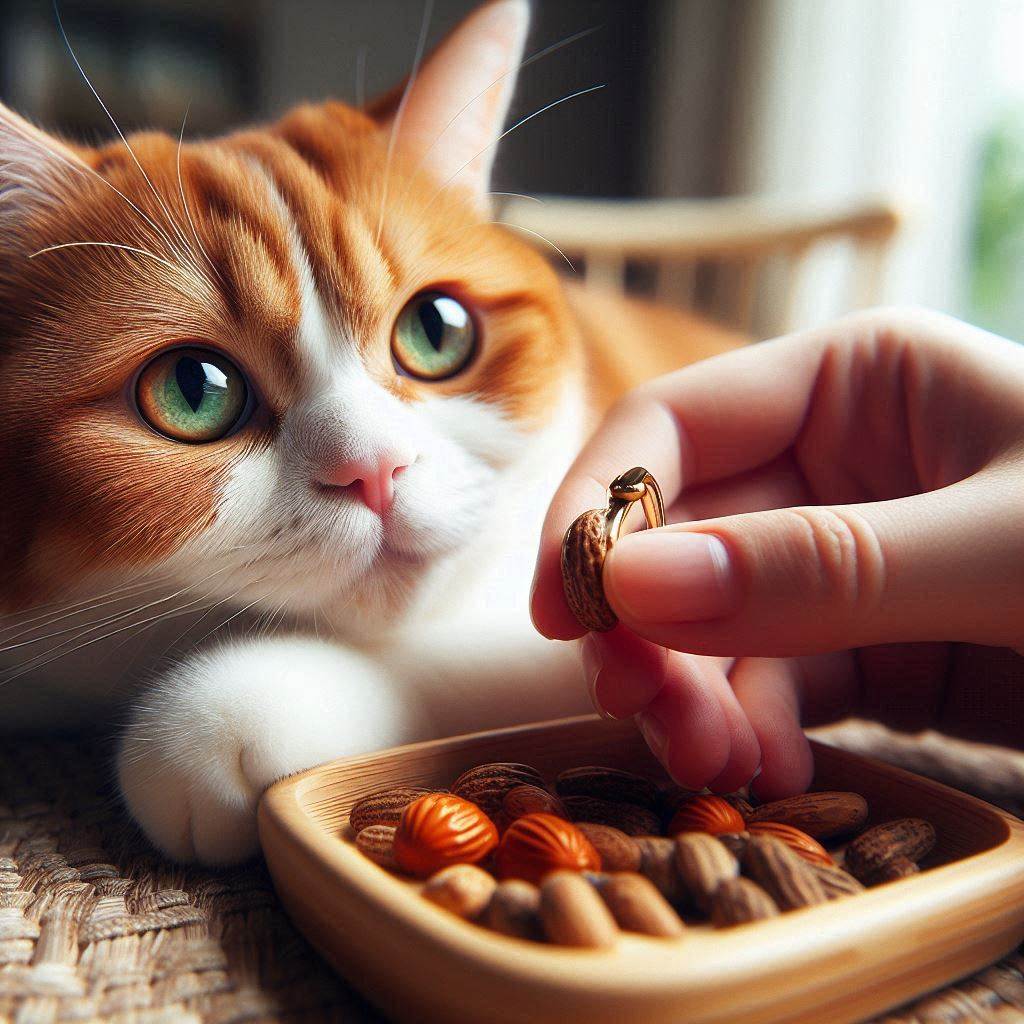
Patience is key when training your cat. Cats don’t learn overnight. It may take time for your cat to understand what you want. Always be patient and never punish your cat.
10 Essential Cat Behavior & Training Tips for a Well-Behaved Pet
If your cat makes a mistake, stay calm. Gently correct them and guide them to the right behavior. With patience, your cat will learn over time.
Conclusion
Training your cat takes time, but it’s worth it. By following these 10 essential tips, you can help your cat become well-behaved. Understand their body language, reward good behavior, and be patient. Create a consistent routine and provide a stimulating environment. Your cat will thrive, and you will enjoy a stronger bond with your pet.