Cat Foods
 Cat Accessories
 Cat Litter
 Cat Toys
 Cat Cloth
 Cat Shampoo
 Cat Treats
 Track of Towers & Toys
 Dogs Accessories
 Dogs Foods
 Dogs Toy
 Kitten Food

 Birds Accessories

 Food Bowls
 Combs and Grooming Brushes
 Flea & Tick
 Health & Safety


5 Essential Care Tips for a Happy, Healthy Life of Cats

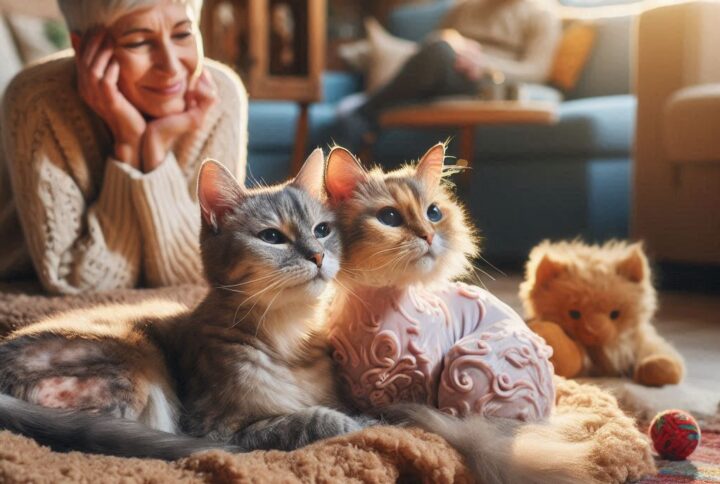
Senior & Special Needs Cats: How to Care for Your Older Cat
5 Essential Care Tips for a Happy, Healthy Life of Cats
Introduction
Caring for senior and special needs cats is important. These cats need extra love and attention. They may have health problems. It is our job to help them live happily. If you have a senior cat or a cat with special needs, you are doing something special. This guide will show you how to care for these cats.
What Are Senior Cats?
5 Essential Care Tips for a Happy, Healthy Life of Cats
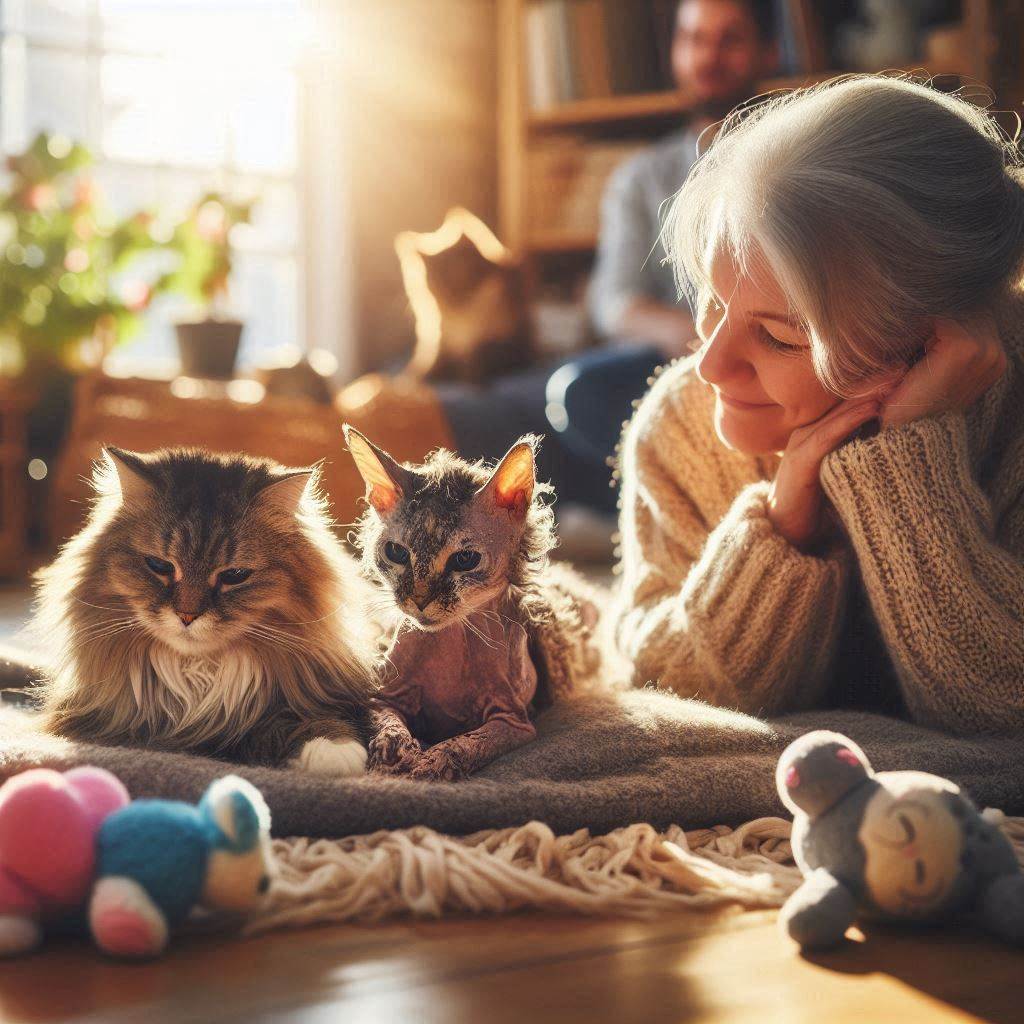
Senior cats are cats that are getting older. Most cats are considered senior around 7 years old. But some cats age slower than others. Senior cats can have health issues. These problems might be small or big. It is important to know the signs of aging in cats. Then, you can help them feel better.
Signs Your Cat Is a Senior
- They sleep more than before.
- They might not play as much.
- They may have trouble jumping.
- Their teeth may wear down.
- Their fur may not be as shiny.
Common Health Problems in Senior Cats
As cats get older, they may have health problems. It is important to watch for signs of these problems. When you see signs, take your cat to the vet. Early care can make a big difference.
Health Issues in Senior Cats
5 Essential Care Tips for a Happy, Healthy Life of Cats
- Arthritis: Cats can get stiff joints. They may not move as much.
- Kidney Disease: Older cats may have problems with their kidneys. They drink more water.
- Dental Disease: Teeth may get weak or infected.
- Diabetes: Cats can get diabetes, which makes them very thirsty and hungry.
- Heart Disease: Cats can have heart problems, like breathing issues.
How to Take Care of Senior Cats
Senior cats need special care. They may need help with everyday tasks. You can make their life better with a few simple things. Here are ways to care for your senior cat.
Tips for Caring for Senior Cats
- Regular Vet Checkups: Take your senior cat to the vet every year for a checkup.
- Special Food: Feed your cat food made for senior cats. This food has extra nutrients.
- Comfortable Bed: Provide a soft bed for your cat to rest. Senior cats like to sleep a lot.
- Keep Them Warm: Senior cats may get cold more easily. Give them blankets or a warm spot.
- Groom Regularly: Brush your cat’s fur to keep it shiny and remove loose hair.
What Are Special Needs Cats?
Special needs cats are cats that have health problems. These problems might be present from birth, or they may happen later in life. Special needs cats may need more care than healthy cats. But they can still live happy lives. They just need extra attention.
Types of Special Needs Cats
- Blind Cats: Cats that can’t see need extra care.
- Deaf Cats: Cats that can’t hear need special attention.
- Cats with Mobility Issues: Some cats may have trouble walking or jumping.
- Cats with Chronic Illnesses: Cats with long-term health problems need care all the time.
- Cats with Behavioral Issues: Some cats may have behavior problems that require special care.
How to Care for Special Needs Cats
Caring for special needs cats is different. They need extra help to stay safe and happy. But they can live good lives with the right care. Here are some ways to help special needs cats.
Caring for Special Needs Cats
- Give Them a Safe Space: Special needs cats may need a quiet place to rest. Make sure it is safe and comfortable.
- Help with Mobility: If your cat can’t walk well, use ramps or soft steps to help them.
- Feed Properly: Some cats may need special food. Talk to the vet to find the best food for your cat’s needs.
- Provide Litter Boxes in Easy Places: Make sure your cat’s litter box is easy to get to. If your cat can’t walk well, put the box close to their resting place.
- Stay Calm and Gentle: Special needs cats may get scared easily. Be gentle when you handle them.
Creating a Comfortable Environment for Senior & Special Needs Cats
Senior and special needs cats need a special environment. Their home should be safe and easy for them to move around. You can make small changes to help them.
Tips for Making Your Home Comfortable
- Low Furniture: Keep furniture low so your cat can easily jump or climb.
- Non-Slip Floors: If your cat has trouble walking, use rugs or carpets to help them stay steady.
- Quiet Spaces: Cats with special needs may need peace and quiet. Create a calm space for them.
- Keep Their Toys Accessible: Keep their favorite toys nearby so they can play without moving far.
- Add Ramps or Steps: If your cat has trouble jumping, add steps or a ramp to help them.
Health Care for Senior & Special Needs Cats
Health care is especially important for senior and special needs cats. These cats need regular vet visits to stay healthy. Sometimes, they may need special treatments or medications. Always follow your vet’s advice for the best care.
more
Health Care Tips
- Regular Checkups: Take your cat to the vet every year. Older cats need more frequent visits.
- Vaccinations and Preventative Care: Keep up with vaccinations, flea treatments, and other preventative care.
- Dental Care: Brush your cat’s teeth or give them dental treats to keep their teeth clean.
- Monitor Their Weight: Watch your cat’s weight. Cats that are overweight may have more health problems.
- Medication: If your cat needs medication, follow the vet’s instructions carefully.
Diet and Nutrition for Senior & Special Needs Cats
5 Essential Care Tips for a Happy, Healthy Life of Cats
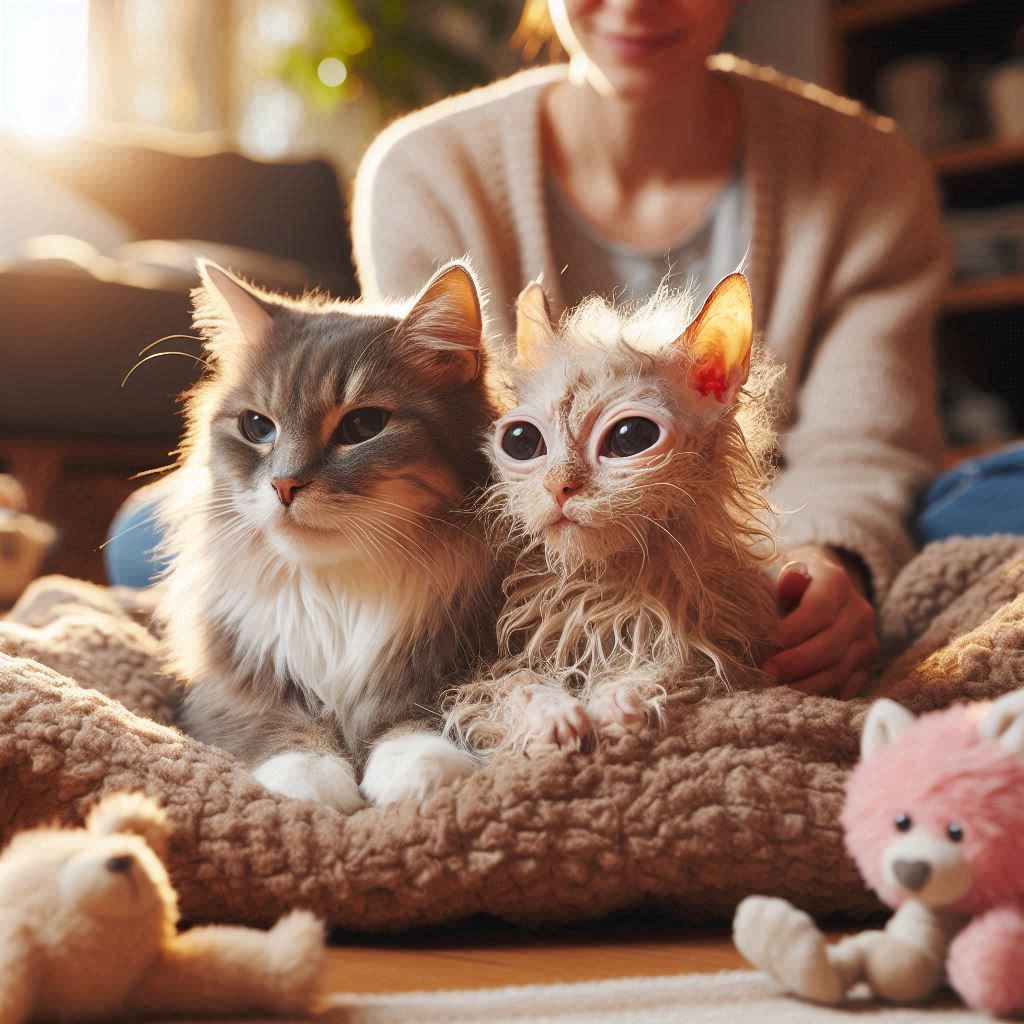
A healthy diet is key for senior and special needs cats. Older cats and cats with health problems need special food. Good food will help them feel better and stay strong. Always check with the vet to find the best food for your cat’s needs.
Best Diet for Senior Cats
- Senior Cat Food: Food made for senior cats is better for their health. It helps with digestion and energy levels.
- High-Quality Protein: Older cats need good protein for muscle health.
- Low Fat: Cats with health problems like diabetes may need lower-fat food.
- Wet Food: Wet food is easier to chew for older cats with dental problems.
- Fresh Water: Always make sure your cat has access to fresh water.
Dealing with Behavioral Changes in Senior & Special Needs Cats
As cats get older, they may act differently. Senior cats or cats with special needs may show changes in behavior. They may be less active or more vocal. It is important to understand these changes and help them feel comfortable.
How to Manage Behavioral Changes
- Be Patient: Older cats may take longer to adjust to new things.
- Play Gently: Senior cats still need playtime. Play with them gently and slowly.
- Provide Familiar Things: Keep your cat’s favorite bed, toys, and other items in familiar places.
- Respect Their Space: If your cat wants to be alone, let them have some quiet time.
- Provide Mental Stimulation: Give your cat puzzle toys or other things to keep their mind active.
Understanding the Special Needs of Cats with Chronic Conditions
Some special needs cats have long-term health conditions. These cats need ongoing care. But with the right care, they can live long, happy lives. Here are some common chronic conditions in cats.
Chronic Conditions in Cats
- Chronic Kidney Disease (CKD): A common illness in older cats that affects their kidneys.
- Hyperthyroidism: A thyroid problem that causes weight loss and other symptoms.
- Diabetes: Cats with diabetes need insulin and careful feeding.
- Heart Disease: Cats with heart disease need regular vet care and sometimes medication.
- Arthritis: Arthritis can make it hard for older cats to walk, but it can be treated.
Conclusion
Caring for senior and special needs cats is a big responsibility. But it is also very rewarding. These cats need extra love, patience, and attention. With the right care, your cat will live a happy and comfortable life. Keep an eye on their health, feed them the right food, and provide a comfortable home. Your cat will thank you with love and trust.
Sure! Here’s an outline for a 4000-word SEO-friendly, user-friendly article on “Caring for Older and Disabled Cats” with detailed explanations, simple language, and easy-to-read structure. This will also include relevant SEO keyword
Introduction
- Briefly introduce the topic and its importance.
- State that cats, like people, get older and may need extra care.
H2: Why Older and Disabled Cats Need Special Care
- H3: Physical Changes in Senior Cats
- Older cats go through physical changes that make it hard for them to move and eat.
- H3: Common Disabilities in Cats
- Some cats may lose mobility or have other disabilities that need extra attention.
H2: Key Things to Consider When Caring for Older and Disabled Cats
- H3: Comfortable Living Space
- Cats with disabilities or older cats need a calm and safe space to rest.
- H3: Proper Litter Boxes
- Make sure the litter box is easy to access for your senior or disabled cat.
H2: Diet and Nutrition for Older and Disabled Cats
- H3: Special Diet Needs for Older Cats
- Older cats may need softer food or food that helps their joints.
- H3: Supplements for Disabled Cats
- Disabled cats might need extra vitamins and minerals to stay healthy.
H2: Grooming Tips for Senior and Disabled Cats
- H3: Regular Brushing
- Older cats may have trouble grooming themselves. Regular brushing helps.
- H3: Nail Trimming and Dental Care
- Trim their nails often. Check their teeth and gums regularly to avoid dental problems.
H2: How to Manage Medical Conditions in Senior and Disabled Cats
- H3: Vet Visits and Medications
- Regular vet visits help keep track of their health. Some cats may need medication for arthritis or other issues.
- H3: Pain Management
- Pain in older cats is common. Look for signs and manage pain with proper medication.
H2: Keeping Your Older and Disabled Cat Active
- H3: Gentle Playtime
- Keep your cat engaged with gentle play. Light toys and scratching posts can help.
H2: Tips for Making Your Cat Comfortable at Home
- H3: Providing Soft Bedding
- A comfortable bed can help your cat sleep well and reduce joint pain.
- H3: Reducing Stress and Anxiety
- Older cats may get anxious easily. Keep their environment calm and predictable.
Conclusion
5 Essential Care Tips for a Happy, Healthy Life of Cats
- Summarize the key points and encourage owners to keep their senior or disabled cats comfortable and happy.
SEO-Focused Article: “Caring for Older and Disabled Cats”
Introduction: Caring for older and disabled cats is an important job. Older cats often have different needs compared to younger cats. They may also face challenges due to disabilities. This article will guide you on how to take care of your senior or disabled cat. It’s important to know what changes happen as your cat ages. With the right care, your cat can enjoy a happy and comfortable life.
Why Older and Disabled Cats Need Special Care
As cats grow older, their bodies change. They may become slower, less active, and need extra help to stay healthy. Disabled cats may face even more challenges, such as trouble walking or eating. Older cats also tend to sleep more. These changes make it harder for them to do things they used to enjoy.
Physical Changes in Senior Cats:
Older cats have weaker muscles and joints. Their bones may hurt, and they may not see or hear as well. As they age, their skin becomes more fragile. This can cause them to have problems grooming themselves.
Common Disabilities in Cats:
Some cats may face physical disabilities due to accidents or health problems. They might lose the ability to walk properly or even lose sight or hearing. These disabilities make it harder for cats to care for themselves, so they need help from their owners.
Key Things to Consider When Caring for Older and Disabled Cats
Comfortable Living Space:
Your older or disabled cat needs a peaceful space to live. Make sure their bed is easy to reach. Keep it in a quiet spot so they don’t feel stressed. You should also remove obstacles that might make it hard for them to move around.
Proper Litter Boxes:
Cats with disabilities might have trouble getting into a normal litter box. You can use a low-sided box. Make sure it is easy for your cat to step into. You should also keep the box clean so your cat feels comfortable using it.
Diet and Nutrition for Older and Disabled Cats
Special Diet Needs for Older Cats:
Older cats need a healthy diet to stay strong. You can feed them food that is easy to chew and swallow. Some older cats may need food that helps with joint health, such as food with omega-3 fatty acids.
Supplements for Disabled Cats:
If your cat has a disability, you might want to consider adding supplements to their food. These can help with joint pain, mobility, and overall health. Always check with your vet before giving any supplements.
Grooming Tips for Senior and Disabled Cats
Regular Brushing:
Older cats may not groom themselves well. You can help by brushing their fur regularly. Brushing keeps their coat clean and removes loose fur. It also helps them feel relaxed.
Nail Trimming and Dental Care:
Older cats’ nails may grow too long. Trim their nails often. This prevents scratching problems. Also, make sure to check your cat’s teeth. Dental problems are common in older cats, so it’s important to keep their teeth clean and healthy.
How to Manage Medical Conditions in Senior and Disabled Cats
Vet Visits and Medications:
Older and disabled cats should see the vet regularly. The vet can check for problems like arthritis, diabetes, or kidney disease. If your cat has pain or other health issues, they may need medication. Always follow the vet’s advice.
Pain Management:
Pain can make life hard for your senior cat. It’s important to look for signs of pain, such as limping or not eating. Pain can be managed with medicine. Speak to your vet if you think your cat is in pain.
Keeping Your Older and Disabled Cat Active
Gentle Playtime:
Even older or disabled cats need playtime. Choose gentle toys, like soft balls or feather wands. This helps them stay active without over-exerting themselves. Light activity is great for their health.
Tips for Making Your Cat Comfortable at Home
Providing Soft Bedding:
Your cat needs a soft, warm bed to rest. Older and disabled cats have sore joints, so soft bedding is important. Make sure their bed is easy to reach, and place it in a quiet area.
Reducing Stress and Anxiety:
Senior cats can get stressed easily. Keep their home calm and quiet. Avoid loud noises and sudden changes in their routine. This helps them feel safe and relaxed.
Conclusion:
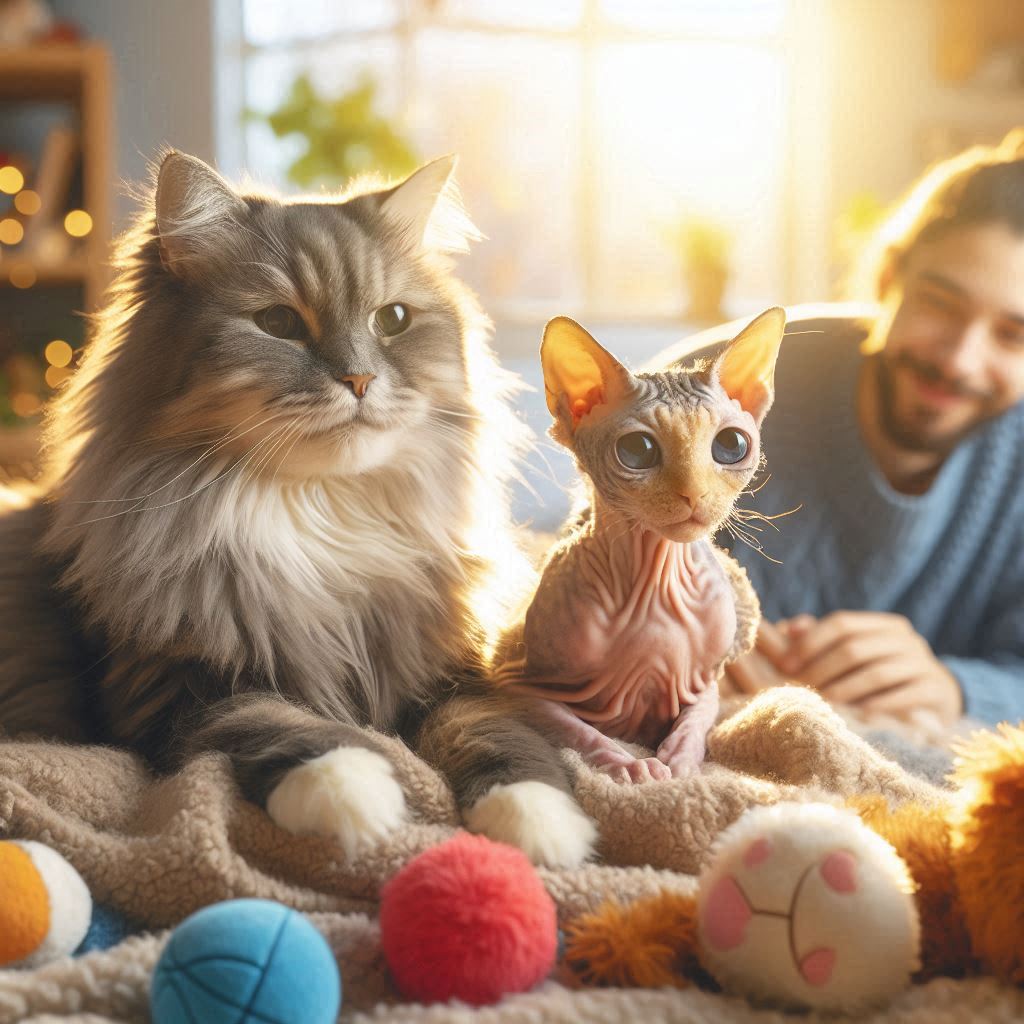
5 Essential Care Tips for a Happy, Healthy Life of Cats
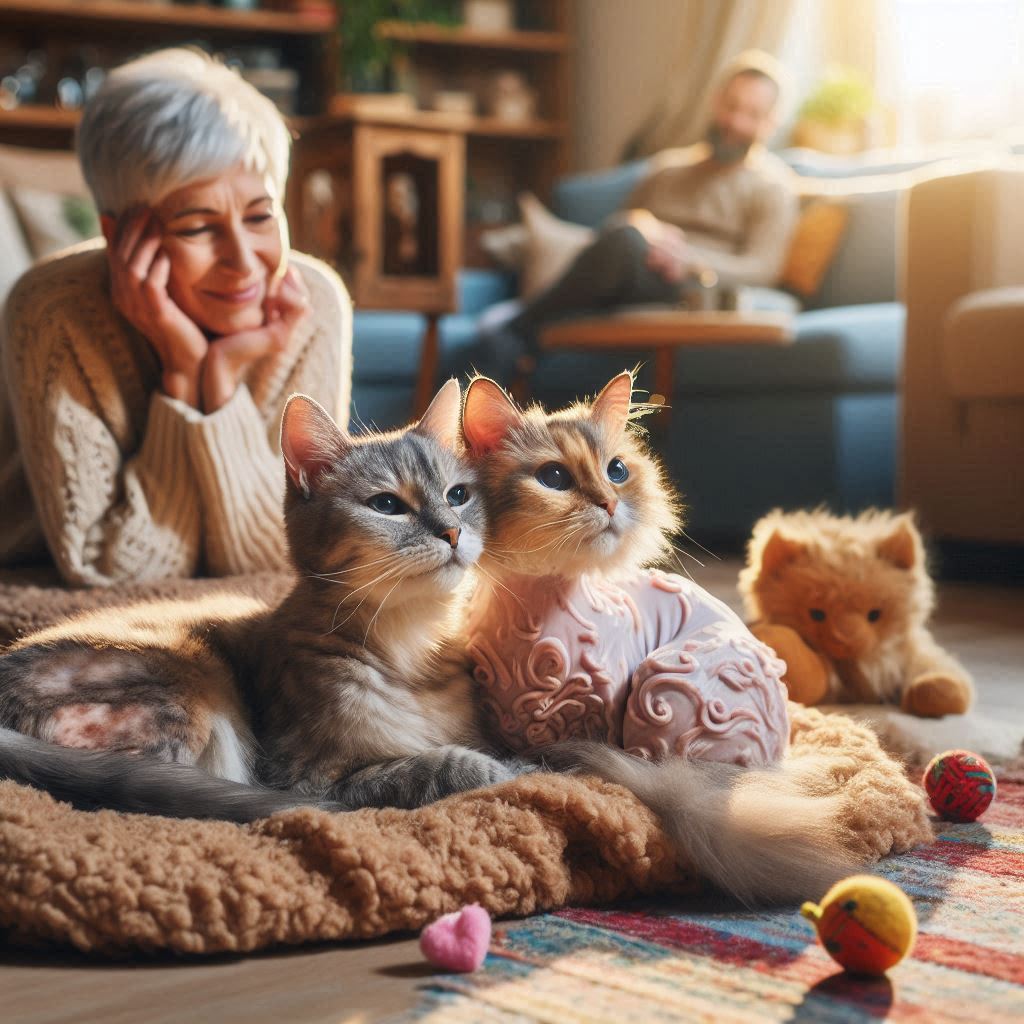
Caring for older and disabled cats is important for their health and happiness. By providing a comfortable living space, special diet, regular grooming, and medical care, you can help your cat live a long and happy life. Always monitor your cat’s health and ask your vet for advice on how to care for them properly. Your cat deserves the best care, and you can provide it with love and patience.