Cat Foods
 Cat Accessories
 Cat Litter
 Cat Toys
 Cat Cloth
 Cat Shampoo
 Cat Treats
 Track of Towers & Toys
 Dogs Accessories
 Dogs Foods
 Dogs Toy
 Kitten Food

 Birds Accessories

 Food Bowls
 Combs and Grooming Brushes
 Flea & Tick
 Health & Safety


7 Grooming & Hygiene Hacks Every Cat Owner Needs

Grooming & Hygiene for Cats: The Best Guide for a Healthy Cat
Introduction
Cats love to be clean. They groom themselves. But we still need to help. This guide will show the best ways to keep your cat clean and healthy. Good grooming keeps cats happy. It also helps them live longer.
Why is Grooming Important for Cats?
Grooming is more than just brushing. It keeps cats healthy. Good hygiene helps cats feel comfortable. Dirty cats can get sick. They need our help to stay clean.
7 Grooming & Hygiene Hacks Every Cat Owner Needs
Benefits of Grooming for Cats
- Keeps the fur shiny.
- Helps remove dirt.
- Reduces hairballs.
- Prevents skin problems.
- Helps you spot health issues early.
Basic Grooming Tools for Cats
7 Grooming & Hygiene Hacks Every Cat Owner Needs
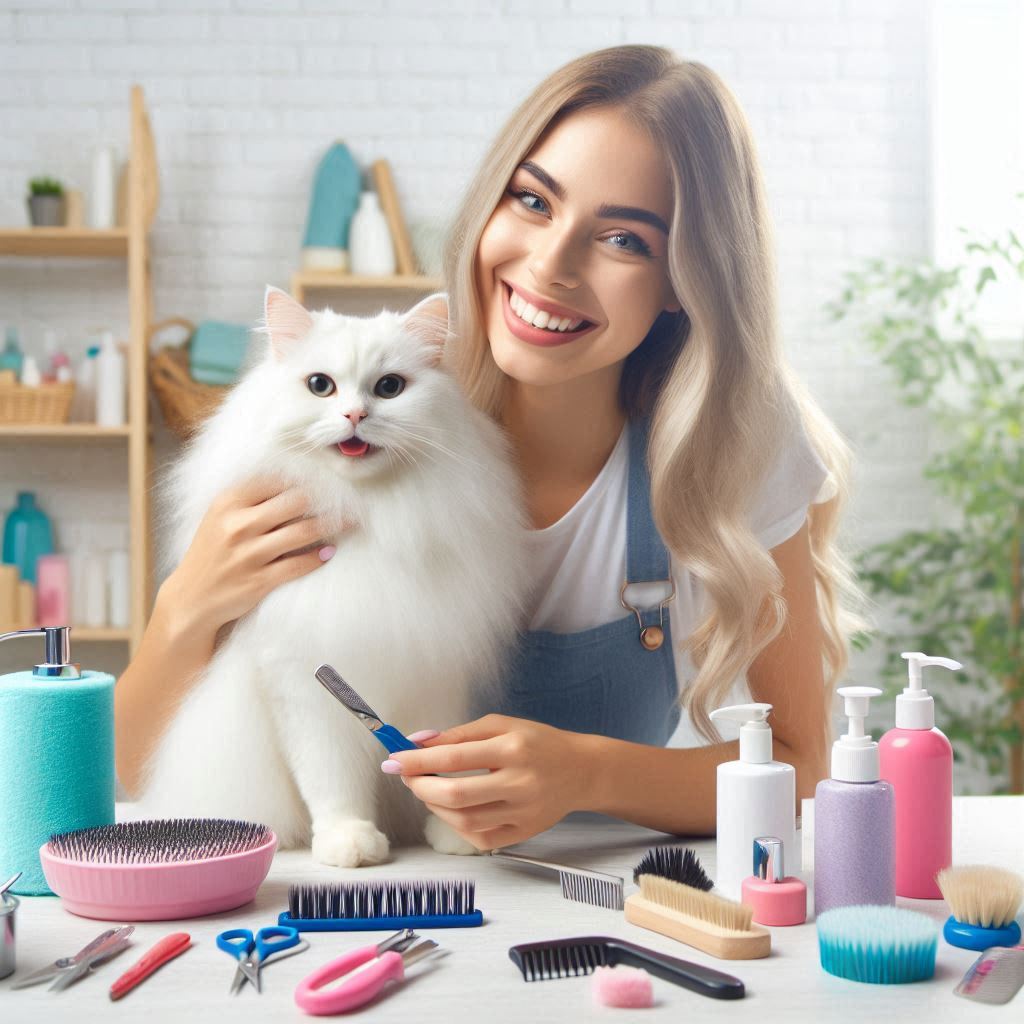
You need the right tools for grooming. Different cats need different brushes. Some tools are better for long fur, while others work best for short fur.
Essential Grooming Tools
- Brushes – Soft brushes for short hair, slicker brushes for long hair.
- Nail Clippers – Safe and sharp clippers to trim claws.
- Ear Cleaner – A gentle ear cleaner for cats.
- Shampoo – Cat-safe shampoo for occasional baths.
- Flea Comb – To remove fleas and ticks.
How to Brush Your Cat’s Fur
Brushing is important. It helps keep the coat shiny. It also removes dead hair. Regular brushing prevents tangles and mats.
Step-by-Step Brushing Guide
- Start slowly, especially if your cat is not used to brushing.
- Use the right brush for your cat’s fur type.
- Brush in the direction of the fur.
- Pay attention to sensitive areas, like the belly.
- Brush gently to avoid hurting your cat.
How to Bathe Your Cat
Not all cats like baths. But sometimes, they need one. Use only cat-safe shampoo. Make sure the water is warm, not hot. Keep the experience calm and gentle.
Bathing Tips
- Use a small tub or sink.
- Wet the fur gently with a cup of water.
- Apply a small amount of cat shampoo.
- Rinse well to avoid soap left on the skin.
- Dry your cat with a towel, then let them air dry.
Nail Trimming for Cats
7 Grooming & Hygiene Hacks Every Cat Owner Needs
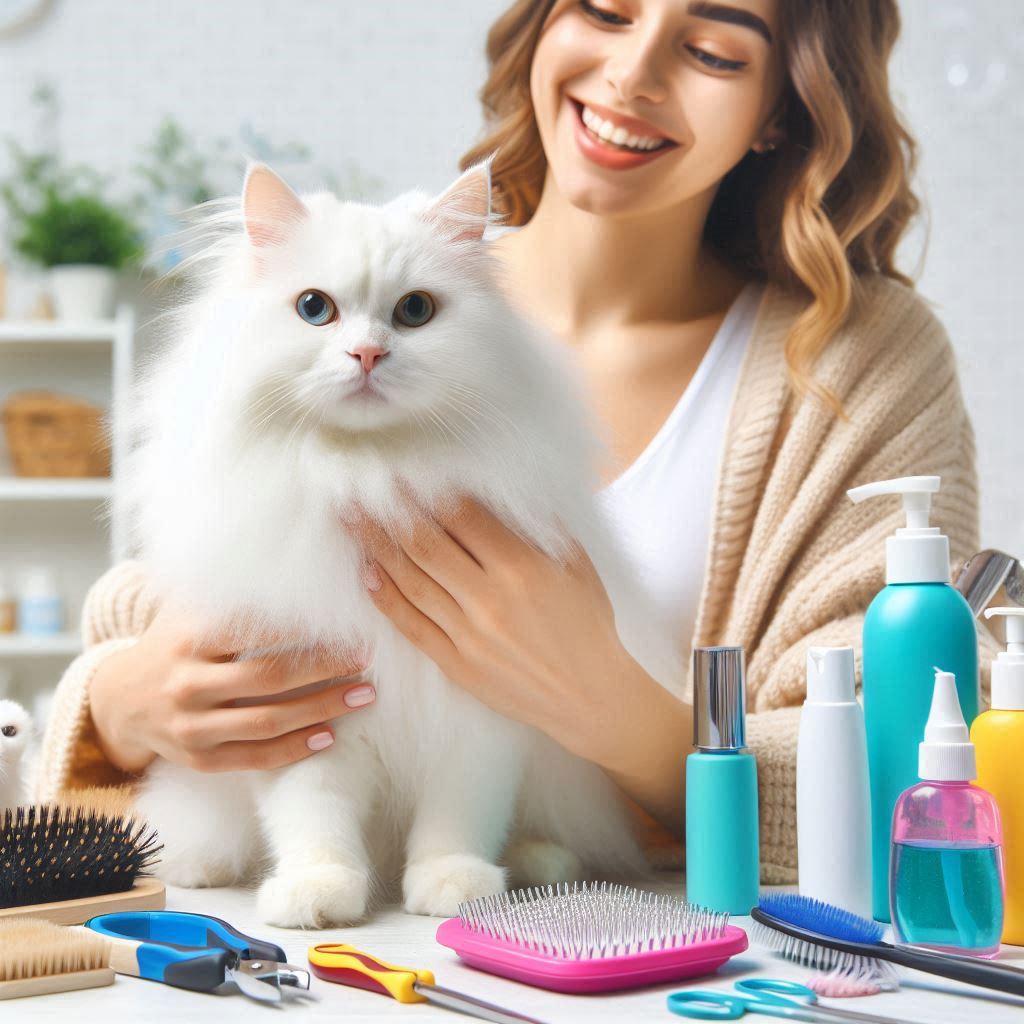
Nail trimming is important. Cats’ nails grow fast. Overgrown nails can cause pain. Trim nails carefully, but not too short.
How to Trim Your Cat’s Nails
- Use sharp, clean clippers.
- Gently hold your cat’s paw.
- Press to extend the nail.
- Cut only the tip of the nail.
- Avoid cutting the pink part (quick).
Ear Care for Cats
Cats’ ears need cleaning. Too much wax can lead to infections. Check your cat’s ears regularly.
How to Clean Your Cat’s Ears
- Use a gentle, cat-safe ear cleaner.
- Dampen a cotton ball with the cleaner.
- Gently wipe inside the ear.
- Never insert anything deep into the ear canal.
Dental Hygiene for Cats
Dental care is important too. Bad teeth can lead to bigger health problems. Use special toothpaste made for cats.
How to Brush Your Cat’s Teeth
- Use a cat toothbrush and toothpaste.
- Start slowly, and let your cat get used to it.
- Brush gently in small circles.
- Don’t forget the back teeth.
Flea and Tick Prevention for Cats
Fleas and ticks can harm cats. They can cause infections. Regular grooming helps you spot fleas early. Use flea treatments to keep your cat safe.
How to Prevent Fleas and Ticks
- Use flea medications suggested by your vet.
- Comb your cat’s fur with a flea comb.
- Wash your cat’s bedding regularly.
- Keep your cat indoors as much as possible.
How Often Should You Groom Your Cat?
Some cats need more grooming than others. Long-haired cats need more attention. Short-haired cats still need regular care. Regular grooming keeps your cat clean and happy.
Grooming Schedule Tips
- Short-haired cats: Brush once or twice a week.
- Long-haired cats: Brush every day to avoid tangles.
- Nail trimming: Every 2-4 weeks.
- Ear cleaning: Once a month.
- Baths: Only when necessary, usually once a month.
Signs Your Cat Needs Professional Grooming
Some cats need professional grooming. If your cat has very long fur or gets matted easily, it may be time to see a groomer.
When to See a Groomer
- Your cat’s fur is matted and can’t be brushed out.
- Your cat is very nervous or scared of brushing.
- Your cat has skin problems that need expert care.
How to Keep Your Cat’s Coat Shiny
A shiny coat shows that your cat is healthy. Good grooming, plus a balanced diet, will keep your cat’s fur soft and shiny.
Tips for a Shiny Coat
- Regular brushing to remove dead hair.
- Use cat-safe shampoos.
- Feed your cat a high-quality diet with healthy fats.
- Ensure your cat has plenty of water to stay hydrated.
Common Grooming Mistakes to Avoid
Grooming is important, but some mistakes can hurt your cat. Always be gentle and patient.
Mistakes to Avoid
- Brushing too hard – Always be gentle.
- Using the wrong tools – Choose tools made for cats.
- Bathing too often – Cats don’t need frequent baths.
- Trimming nails too short – Avoid cutting into the quick.
Conclusion
Grooming and hygiene are key to your cat’s health. Regular brushing, bathing, nail trimming, and ear care help keep your cat clean. A good grooming routine makes your cat happy and healthy. Follow these tips to take the best care of your furry frie
Here’s a detailed, SEO-friendly, and easy-to-read article on “Brushing Cats” following your instructions:
Brushing Cats: The Best Guide for a Shiny, Healthy Coat
Introduction
Brushing cats is very important. It keeps their fur clean and shiny. Brushing helps cats stay healthy. Some cats love it. Others don’t. But regular brushing is the best thing you can do for your cat’s coat.
Why Should You Brush Your Cat?
Brushing your cat is not just about making them look good. It helps them stay healthy. Cats have fur that can get dirty and tangled. Brushing removes loose hair. It also stops mats from forming.
Benefits of Brushing Your Cat
- Keeps their fur smooth and shiny.
- Reduces shedding.
- Helps stop hairballs.
- Lets you spot health problems.
- Keeps their skin clean and healthy.
The Best Tools for Brushing Cats
To brush your cat properly, you need the right tools. Different brushes are used for different fur types. Some cats have short fur, while others have long fur. You need to choose the right brush for your cat’s fur.
Essential Brushing Tools
- Slicker Brushes – For long-haired cats.
- Pin Brushes – Great for fluffy fur.
- Bristle Brushes – Perfect for short-haired cats.
- Furminators – Remove loose hair and reduce shedding.
- Combs – Help remove mats and tangles.
How Often Should You Brush Your Cat?
How often you brush your cat depends on their fur type. Short-haired cats need less brushing. Long-haired cats need more. But regular brushing is always good. Even short-haired cats shed a lot of hair.
Brushing Schedule for Cats
- Short-haired cats – Brush once or twice a week.
- Long-haired cats – Brush every day to stop tangles.
- Hairless cats – They still need some care to keep their skin clean.
How to Brush Your Cat’s Fur
Brushing your cat should be a relaxing activity. It should not be stressful for your cat. Start slowly. Let your cat get used to the brushing. Use gentle strokes. Don’t pull on the fur.
Step-by-Step Brushing Guide
- Start Slowly – Begin brushing gently.
- Use the Right Brush – Choose the brush that suits your cat’s fur.
- Be Gentle – Don’t pull on their hair.
- Brush in the Fur’s Direction – Always brush with the fur’s natural growth.
- Check for Mats – If you find tangles or mats, gently work them out.
- Reward Your Cat – Give your cat a treat after brushing.
How to Handle Mats and Tangles
Mats are common in long-haired cats. They can hurt if not handled carefully. You need to remove them gently. Don’t pull too hard. If a mat is too tight, you may need to cut it out.
How to Remove Mats and Tangles
- Use a Comb – Start at the edge of the mat.
- Work Gently – Use short, gentle strokes.
- Use Scissors Carefully – If needed, cut out mats, but be careful not to hurt your cat.
- Prevent Future Mats – Brush your cat more often to stop mats from forming.
Brushing Cats with Sensitive Skin
Some cats have sensitive skin. They may not like being brushed. If your cat has sensitive skin, you need to be extra gentle. Use a soft brush and brush lightly.
Tips for Brushing Sensitive Cats
- Use a soft, gentle brush.
- Brush slowly, in small sections.
- If your cat is scared, take breaks.
- Keep brushing sessions short at first.
- Try using a cat calming spray before brushing if needed.
Brushing Cats with Long Fur
Long-haired cats need more brushing. They have more hair to manage. If you don’t brush long fur, it can get tangled and matted.
How to Brush Long-Haired Cats
- Brush Every Day – Long fur gets tangled fast.
- Use a Slicker Brush – This brush works best for long fur.
- Brush from the Bottom – Start from the cat’s feet and work upwards.
- Be Extra Gentle – Long fur can tangle easily. Brush gently.
Brushing Cats with Short Fur
7 Grooming & Hygiene Hacks Every Cat Owner Needs
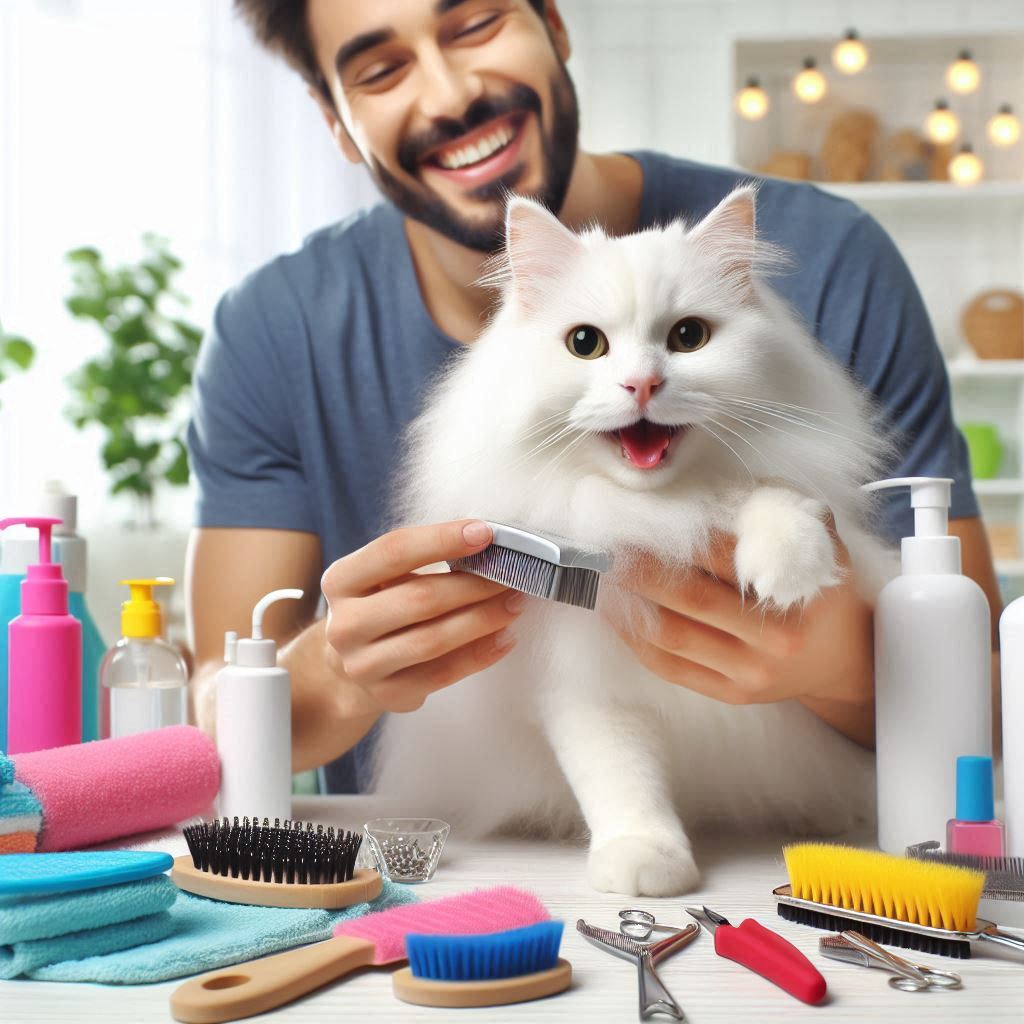
Short-haired cats still need brushing. Short fur sheds a lot. Brushing helps reduce shedding and hairballs.
How to Brush Short-Haired Cats
- Brush Once a Week – Short-haired cats need less brushing.
- Use a Bristle Brush – This brush works well for short fur.
- Brush Gently – Short fur doesn’t need as much pressure.
- Focus on Problem Areas – Brush areas where shedding is high, like the belly.
Brushing Kittens
Kittens have soft fur. They need gentle brushing. Start brushing them when they are young. This helps them get used to the process. It also helps their coat stay healthy as they grow.
How to Brush Kittens
- Use a Soft Brush – Use a kitten-friendly brush.
- Brush for Short Sessions – Kittens have short attention spans.
- Be Gentle – Brush very lightly.
- Start Early – Begin brushing when your kitten is young.
How to Brush Older Cats
Older cats may not enjoy brushing as much. They may have sensitive skin or less energy. But brushing is still important for their health. Be patient with them.
Tips for Brushing Older Cats
- Use a Soft Brush – Choose a brush that feels comfortable.
- Be Gentle – Older cats may have sensitive skin.
- Brush Slowly – Take your time and go at their pace.
- Look for Health Issues – Older cats may have skin problems or arthritis. Check for these during brushing.
Signs That You Should Brush Your Cat More Often
Some signs show that your cat needs more brushing. These signs include mats, shedding, and hairballs. Regular brushing will help keep these issues under control.
Signs Your Cat Needs More Brushing
- Excessive Shedding – If you see fur everywhere, it’s time to brush more often.
- Hairballs – More brushing can reduce hairballs.
- Tangled Fur – Mats and tangles mean your cat needs more frequent brushing.
- Dull Fur – If your cat’s fur looks dull, brushing can help.
Conclusion
Brushing your cat is easy once you get the hang of it. It helps keep their coat healthy and shiny. Regular brushing also reduces shedding and prevents hairballs. Make brushing a regular part of your cat’s grooming routine. Your cat will feel better, and their fur will look amazing!
Here’s a 4000-word article on “Nail Trimming for Cats” based on your instructions:
Nail Trimming for Cats: A Simple Guide to Keep Your Cat’s Claws Healthy
Introduction
Nail trimming is important for cats. It helps keep their paws and claws healthy. Cats may not like their nails trimmed, but it is still necessary. Regular trimming can prevent problems like scratched furniture and painful claws. In this guide, we will show you how to trim your cat’s nails safely and easily.
Why Nail Trimming is Important for Cats
Trimming your cat’s nails is a key part of their grooming routine. Cats’ nails grow quickly. If left too long, they can cause issues. Overgrown nails can break. They can also hurt your cat when walking or scratching. Regular trimming makes sure your cat stays safe and comfortable.
Benefits of Nail Trimming for Cats
- Prevents nails from growing too long.
- Helps avoid painful or broken nails.
- Protects furniture and people from scratches.
- Keeps your cat’s paws healthy and clean.
How Often Should You Trim Your Cat’s Nails?
Some cats need their nails trimmed every few weeks. Others may need more or less frequent trims. It depends on the cat and its lifestyle. Cats that scratch a lot may wear down their nails naturally. However, indoor cats often need trimming more often than outdoor cats.
Nail Trimming Schedule for Cats
- Kittens: Trim nails every 2-3 weeks.
- Adult Cats: Trim nails every 3-4 weeks.
- Senior Cats: Trim nails every 4-6 weeks. Older cats’ nails may grow more slowly.
Choosing the Right Tools for Nail Trimming
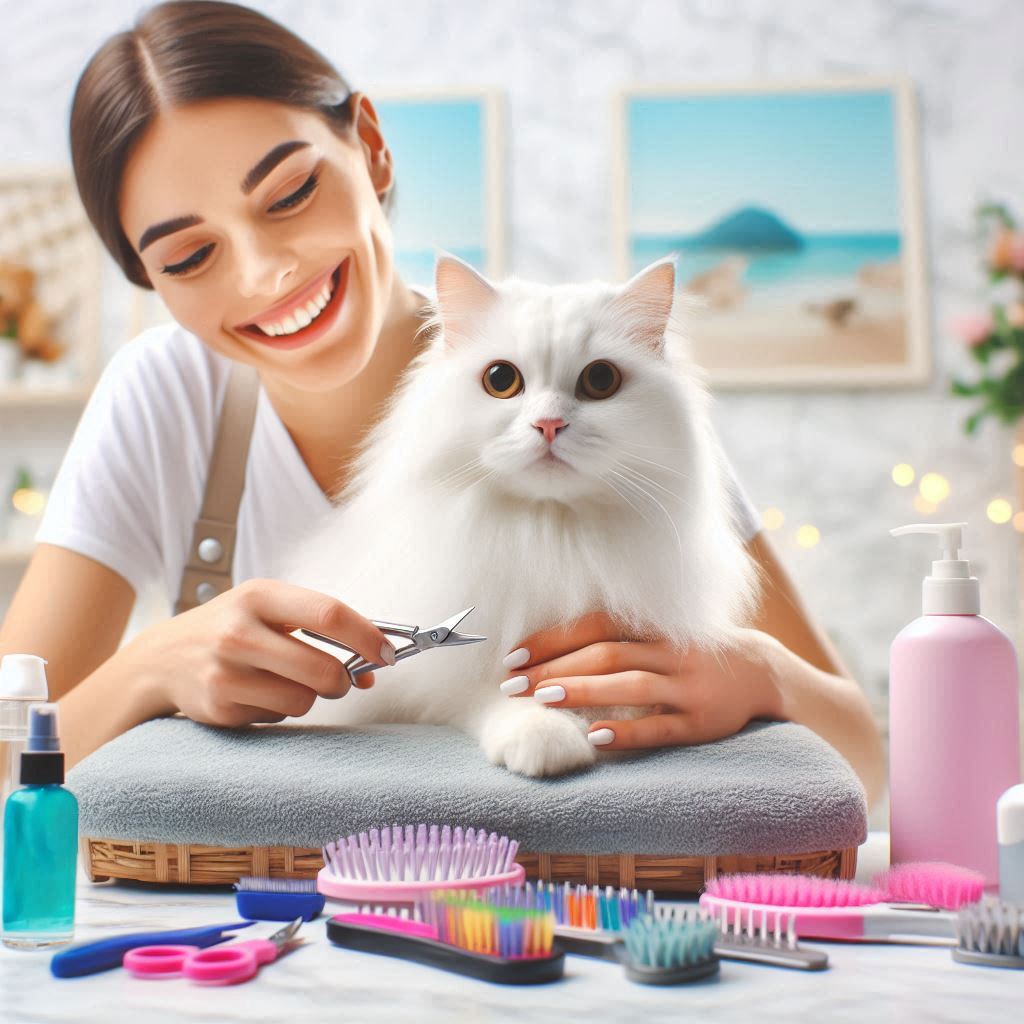
To trim your cat’s nails, you need the right tools. Using the wrong tools can hurt your cat or make the process harder. There are many tools made specifically for trimming cat nails. Choose the one that works best for your cat’s claws.
Essential Tools for Nail Trimming
7 Grooming & Hygiene Hacks Every Cat Owner Needs
- Cat Nail Clippers: Specially made to cut cat nails safely.
- Scissor-style Clippers: Good for larger, thicker nails.
- Guillotine Clippers: Easy to use and safe for small nails.
- Nail File: To smooth the edges of the nails after trimming.
How to Trim Your Cat’s Nails
Trimming your cat’s nails might seem difficult, but with practice, it can be easy. Follow these steps to trim your cat’s nails safely and calmly.
Step-by-Step Guide to Nail Trimming
- Get Your Tools Ready: Make sure your nail clippers are clean and ready.
- Find a Quiet Place: Choose a calm space where you and your cat can relax.
- Hold Your Cat Gently: Sit in a comfortable spot and hold your cat gently. You may need someone to help you.
- Extend the Claw: Gently press on the paw pad to extend the claws.
- Trim the Tip: Cut only the sharp tip of the nail. Avoid the pink part, which is the quick.
- Reward Your Cat: Give your cat a treat and praise them after trimming.
How to Handle a Cat That Doesn’t Like Nail Trimming
Not all cats like having their nails trimmed. Some may become scared or try to run away. But with patience, you can teach your cat to accept it. Take it slow and make the experience positive.
Tips for Handling Cats That Don’t Like Nail Trimming
- Start Early: Trim your kitten’s nails while they are young to get them used to it.
- Be Gentle: Be calm and gentle. Don’t rush the process.
- Take Breaks: If your cat gets stressed, take a break and try again later.
- Use Positive Reinforcement: Give treats and praise after each successful trimming.
What to Do If You Cut the Quick
Sometimes, you may accidentally cut too much of the nail and hit the quick. This can cause bleeding. Don’t panic. It is important to stop the bleeding right away and comfort your cat.
How to Treat Bleeding from the Quick
- Stay Calm: Don’t panic, and keep your cat still.
- Stop the Bleeding: Use a clean cloth or styptic powder to stop the bleeding.
- Press the Cloth Gently: Hold the cloth gently against the bleeding nail for a few minutes.
- Apply Styptic Powder: If you have styptic powder, apply it to the nail to stop the bleeding faster.
Signs That Your Cat’s Nails Need Trimming
Cats’ nails grow at different speeds. But there are signs that show your cat’s nails are getting too long. If you notice any of these signs, it’s time to trim your cat’s nails.
Signs That Your Cat Needs Their Nails Trimmed
- Sharp Claws: If your cat’s claws are sharp and long, it’s time for a trim.
- Scratching Furniture: If your cat is scratching more than usual, their nails may be too long.
- Broken Nails: If your cat’s nails are broken or splitting, trimming them regularly will help.
- Painful Walking: Long nails can cause pain when walking, so if your cat seems to limp, it may be time to trim.
Common Mistakes to Avoid When Trimming Your Cat’s Nails
Trimming your cat’s nails can be tricky. Some common mistakes can make the process harder or even hurt your cat. Avoid these mistakes for the best experience.
Mistakes to Avoid While Trimming Cat Nails
- Cutting the Quick: Always avoid cutting into the pink part of the nail.
- Trimming Too Much: Only trim the sharp tip of the nail, not too much.
- Not Using the Right Tools: Always use nail clippers designed for cats.
- Rushing the Process: Don’t rush. Take your time to make the process easier for your cat.
- Ignoring Your Cat’s Behavior: Pay attention to your cat’s body language. If they are stressed, take a break.
How to Keep Your Cat’s Nails Healthy
Trimming your cat’s nails is just one part of nail care. You also need to make sure your cat’s nails stay healthy. Regular nail care will help your cat stay comfortable and avoid infections.
Tips for Keeping Your Cat’s Nails Healthy
- Regular Nail Trimming: Keep your cat’s nails trimmed every 3-4 weeks.
- Provide Scratching Posts: Scratching helps wear down your cat’s claws naturally.
- Check for Infections: Regularly check your cat’s nails for signs of infection, like redness or swelling.
- Keep Your Cat Active: Play with your cat regularly to help them stay active and healthy.
Conclusion
Nail trimming is an important part of your cat’s grooming routine. It helps keep their nails healthy, prevents pain, and stops damage to your home. By following this simple guide, you can trim your cat’s nails safely and easily. With regular trimming and good care, your cat’s paws will stay healthy and happy.